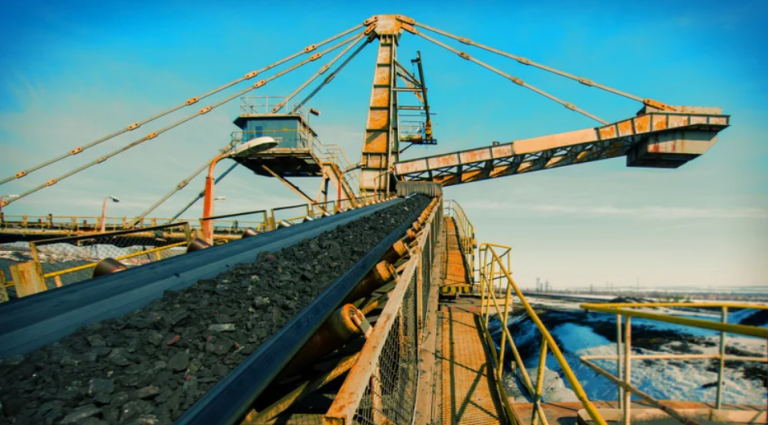
Underground mining is no walk in the park. It’s an unforgiving world where machines are pushed to their limits. We’re talking tight tunnels, extreme temperatures, constant vibration, water everywhere, and abrasive dust that seems to get into every nook and cranny. Sounds like a nightmare for machinery, right?
5 Key Challenges in Mining Procurement and How to Overcome Them
The Role of Procurement in Mining Success
Procurement is the heartbeat of a successful mining operation. It doesn’t matter how rich the mineral deposit is if your equipment breaks down due to a poor quality part or your site shuts down because a shipment didn’t arrive on time, everything grinds to a halt. In mining, the stakes are high, and so is the cost of error.
Procurement ensures that mines receive the right equipment, at the right time, from the right suppliers. From heavy machinery and explosives to safety gear and spare parts, it all flows through the procurement pipeline. A glitch in this chain can disrupt operations, inflate budgets, and risk safety.
Modern mining procurement is about more than just buying it involves strategic sourcing, relationship management, logistics planning, cost control, and compliance with regulations and sustainability standards. It’s a complex, high pressure task that demands foresight and flexibility.
Why Addressing Procurement Challenges Matters
Mining procurement comes with unique challenges: remote locations, complex supply chains, harsh operating environments, and the constant pressure to minimize costs without compromising on quality or safety. When handled poorly, procurement becomes a bottleneck that slows operations and drains profits.
Ignoring procurement challenges can lead to serious consequences delays, equipment downtime, regulatory violations, and reputational damage. That’s why understanding these pain points and crafting smart solutions isn’t just useful it’s essential.
In this article, we dive into the five biggest challenges in mining procurement and share practical strategies for overcoming each one. Whether you’re managing procurement for a junior mine or a multinational operation, these insights will help you navigate the procurement maze with confidence.
Challenge 1: Supplier Reliability and Quality Issues
The Risk of Unreliable Vendors in Mining Operations
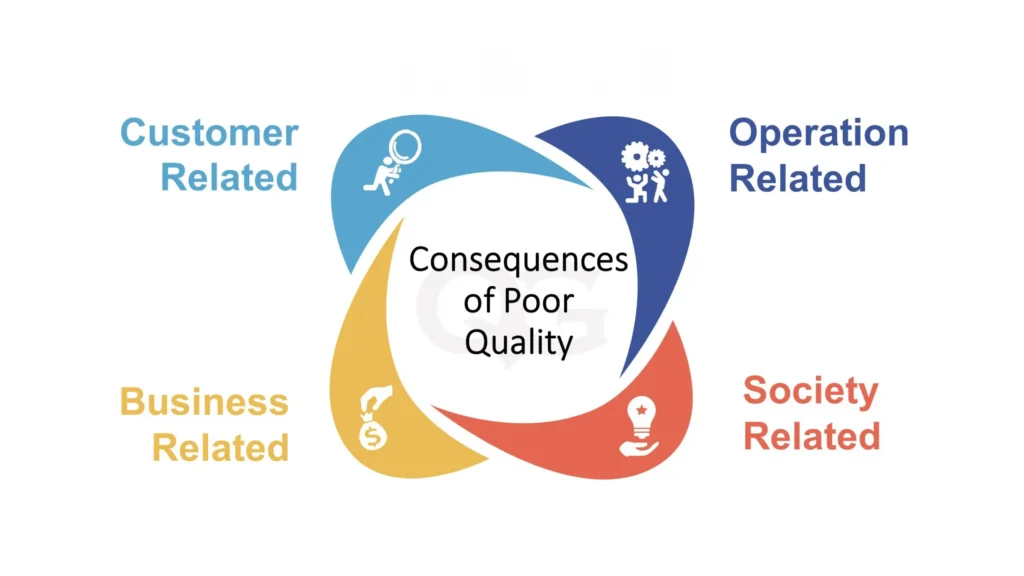
In mining, a single unreliable supplier can bring your entire operation to a standstill. Imagine waiting weeks for a critical machine part, only to receive a subpar component that fails within hours. The cost isn’t just in the replacement it’s in lost production, delayed deadlines, and compromised safety.
Vendor inconsistency is one of the most common headaches in mining procurement. Suppliers may overpromise and underdeliver, struggle with quality control, or fail to meet delivery timelines. When operating in remote areas, sourcing from local vendors with limited capacity or quality assurance adds another layer of risk.
These reliability issues can also affect compliance. If a supplier provides materials that don’t meet legal or environmental standards, your mine could face fines or shutdowns.
Strategies to Ensure Supplier Quality and Performance
Overcoming supplier challenges starts with rigorous vendor selection. Conduct thorough background checks, assess past performance, and insist on certifications and references. Don’t just rely on sales pitches demand data and real-world proof of reliability.
Once selected, suppliers should be subject to ongoing performance reviews based on key metrics: delivery accuracy, quality, responsiveness, and compliance. Scorecards and regular audits keep vendors accountable.
Diversifying your supplier base also reduces risk. Relying on a single source can be dangerous especially in global markets where disruptions are common. Develop backup vendors and regional options to maintain supply chain resilience.
Finally, building long term relationships pays off. Vendors who see themselves as partners, not just providers, are more likely to invest in your success offering better service, flexible terms, and faster problem-solving.
Challenge 2: Logistics and Lead Time Delays
Impact of Delivery Delays on Mining Production
Time is money in mining every hour of equipment downtime can cost thousands. And when a critical delivery arrives late, the ripple effects can be massive: missed production targets, idle workers, frustrated stakeholders, and mounting costs.
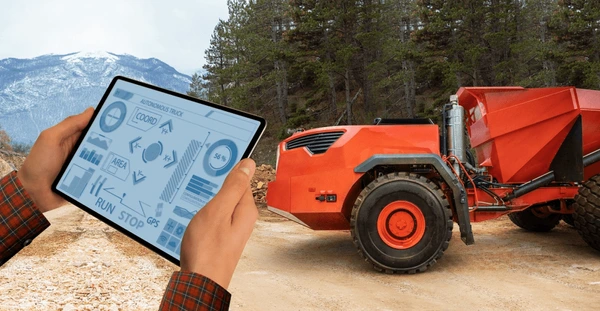
Mining operations are often located in remote or difficult to access regions. This adds complexity to logistics whether you’re moving machinery across continents or receiving supplies through rugged terrain. Natural disasters, customs delays, strikes, or poor infrastructure can easily derail the best laid logistics plans.
Lead time variability is especially dangerous. If suppliers or logistics partners can’t guarantee timelines, your production schedule is at constant risk.
Solutions for Optimizing Logistics and Reducing Lead Times
To combat logistics challenges, mining companies must take a proactive, tech driven approach. Start with robust demand forecasting accurate predictions help procurement teams order well in advance, reducing the reliance on emergency shipments.
Use logistics management systems to track shipments in real time, identify bottlenecks, and make dynamic adjustments. GPS tracking, route optimization, and digital communication with freight providers improve visibility and control.
Where possible, establish regional distribution centers or forward stocking locations close to your mining sites. This ensures faster access to critical supplies and reduces dependency on long-haul transport.
Partner with reliable logistics providers experienced in industrial or mining transport. They understand the terrain, customs regulations, and urgency better than general freight companies.
Lastly, build buffer stock for high risk, long-lead time items. It may seem costly, but it’s far cheaper than shutting down an entire operation due to a delayed shipment.
Challenge 3: Cost Volatility and Budget Management
Price Fluctuations in Mining Commodities and Equipment
The mining industry operates in one of the most unpredictable markets. Prices for commodities like steel, copper, and diesel fuel critical inputs in mining operations can swing dramatically due to geopolitical instability, market demand, or supply chain disruptions. This volatility trickles down to procurement, making it difficult to plan and stick to budgets.
Even the cost of equipment and spare parts can fluctuate significantly depending on global economic conditions, material scarcity, and transportation fees. When prices rise unexpectedly, procurement teams are forced to either delay purchases or exceed budget allocations both of which can hurt production timelines.
On the flip side, trying to time purchases to market lows can lead to stockouts, inefficiencies, and lost opportunities. Navigating this financial tightrope requires a blend of planning, negotiation, and flexibility.
Cost Control Tactics and Flexible Budgeting
To tackle cost volatility, mining companies need robust cost control mechanisms and flexible budgeting frameworks. Start by analyzing historical spend data to identify trends and set realistic cost baselines. This helps you create contingency buffers in your procurement budget.
Long term supplier agreements with fixed or tiered pricing models can protect against market spikes. Where possible, negotiate contracts that include escalation clauses tied to transparent indices rather than ad hoc pricing.
Group purchasing or consortium buying is another powerful strategy especially for smaller mines. By pooling demand with other companies, you gain more leverage and access to volume discounts.
Use dynamic budgeting tools that allow real time updates based on current market data. This ensures that your procurement team can make adjustments without waiting for quarterly reviews.
Lastly, focus on total cost of ownership (TCO), not just sticker prices. A slightly more expensive item that lasts longer, has better warranties, or reduces downtime can save far more in the long run.
Challenge 4: Regulatory Compliance and Ethical Sourcing
Navigating Local and International Procurement Laws
Mining is among the most heavily regulated industries in the world and for good reason. Environmental impact, labor rights, and resource management are all tightly monitored. When it comes to procurement, these regulations extend to how and from whom you buy.
Every country has its own set of procurement laws, taxes, and trade restrictions. In many African countries, for instance, local content regulations require a certain percentage of materials or labor to come from within the host nation. Ignoring these rules can lead to fines, contract cancellations, or even legal action.
On the international stage, import/export controls, anti corruption laws (like the U.S. Foreign Corrupt Practices Act), and trade sanctions add additional layers of complexity.
Procurement teams must stay informed, compliant, and organized. It’s not just about doing things right it’s about proving it with documentation, traceability, and transparency.
Ensuring Sustainability and Compliance in Supply Chains
Today’s mining investors and customers are demanding ethical sourcing and rightly so. They want to know that the equipment and materials used in production were obtained responsibly, without exploiting workers or harming the environment.
Ethical sourcing includes avoiding conflict minerals, using fair labor practices, minimizing environmental impact, and supporting local communities. These values aren’t just good PR they’re often required by law and international trade agreements.
To meet these expectations, companies must vet suppliers thoroughly. Request environmental and labor certifications, perform regular audits, and build clauses into contracts that require compliance with your ethical sourcing policies.
Blockchain and traceability platforms are increasingly being used to track supply origins particularly in the gold and cobalt sectors, where conflict mining is a major issue.
Compliance is an ongoing process. It requires collaboration between procurement, legal, sustainability, and operations teams to ensure that every link in the supply chain meets both the letter and spirit of the law.
Challenge 5: Lack of Digitalization and Data Visibility
The Problem with Manual and Disconnected Systems
Many mining companies still rely on outdated procurement systems spreadsheets, paper forms, and siloed departments. This lack of integration leads to poor visibility, duplicate orders, errors, and reactive rather than strategic decisions.
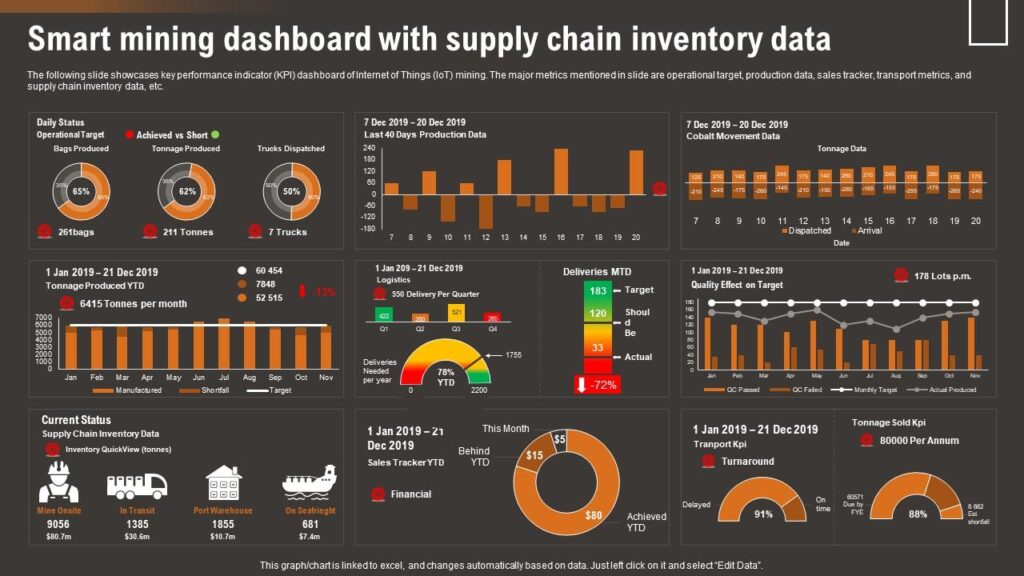
Without a centralized platform, procurement teams can’t track spending, manage supplier performance, or forecast future needs accurately. It also makes it harder to comply with regulations or respond quickly to disruptions.
In a world where supply chains are global, fast paced, and interconnected, manual systems simply can’t keep up.
Benefits of Procurement Technology and Data Integration
Digital procurement platforms are game changers. Tools like ERP systems, e procurement software, and AI-driven analytics provide a centralized view of the entire procurement lifecycle from requisition to payment.
These platforms offer real-time tracking of orders, budget dashboards, supplier scorecards, and automated alerts. They allow teams to forecast demand, negotiate better terms, and minimize maverick spending.
Data integration between departments finance, operations, logistics ensures alignment and reduces communication gaps. With digital tools, mines can analyze trends, identify risks, and continuously improve their procurement performance.
Embracing digitalization isn’t just about efficiency it’s about resilience. Companies that digitize procurement are better equipped to navigate disruptions, adapt to change, and lead in a competitive market.
Procurement may operate behind the scenes in mining, but its impact is front and center. The challenges supplier unreliability, logistics delays, cost volatility, compliance pressures, and outdated systems can make or break an operation. But with the right strategies, these obstacles become opportunities.
By investing in supplier partnerships, proactive logistics planning, cost management, ethical sourcing, and digital tools, mining companies can transform procurement into a strategic powerhouse. Not only does this protect operations from disruption it sets the foundation for growth, sustainability, and competitive advantage in the global mining arena.
FAQs
1. How do mining companies manage supplier performance?
Mining companies use scorecards, audits, and regular performance reviews to ensure suppliers meet expectations in quality, delivery, compliance, and communication.
2. What technologies are transforming mining procurement?
ERP systems, e procurement platforms, IoT tracking, blockchain, and AI-driven analytics are revolutionizing how mining companies handle sourcing and supply chains.
3. How can procurement help improve mining sustainability?
By sourcing from ethical suppliers, reducing waste, enforcing local content policies, and tracking emissions, procurement plays a vital role in responsible mining.
4. Why is logistics planning critical in mining?
Mining often occurs in remote regions where logistics delays can shut down operations. Proper planning ensures timely delivery of critical supplies and reduces risk.
5. What is ethical sourcing and how is it applied in mining?
Ethical sourcing means procuring materials and equipment without harming people or the environment ensuring labor rights, environmental protection, and conflict-free supply chains.
Industries We Serve
Oil and Gas
Mining
Construction and Rail Infrastructure
Power Generation
LinkedIn
Twitter