Whether you’re operating in the open pit gold mines of Ghana or the underground platinum shafts of South Africa, your equipment is your greatest asset. And how well you maintain that equipment can mean the difference between record profits and financial disaster.
Mining is an industry that lives or dies by its equipment. From massive excavators and haul trucks to conveyor belts and drilling rigs, the machinery involved in extracting and processing minerals is the backbone of every mining operation. Without properly functioning equipment, even the richest ore body is worthless.
Maintenance might seem like a backend function, but it directly affects every aspect of a mine’s operational efficiency. Efficient maintenance maximizes equipment availability, improves productivity, enhances safety, and extends the lifespan of capital intensive assets.
A well maintained fleet operates at optimal speed and fuel efficiency. It avoids unexpected breakdowns that could halt operations for hours or days. Proper maintenance also reduces wear and tear, cutting down on replacement costs and minimizing the need for urgent repairs.
In contrast, poorly maintained equipment is a ticking time bomb. It not only slows down production but also risks worker safety, causes costly interruptions, and leads to sub-par ore processing.
In the high stakes world of mining, proactive maintenance isn’t just about fixing things it’s about preventing problems before they occur. It’s the engine behind continuous productivity and consistent profits.
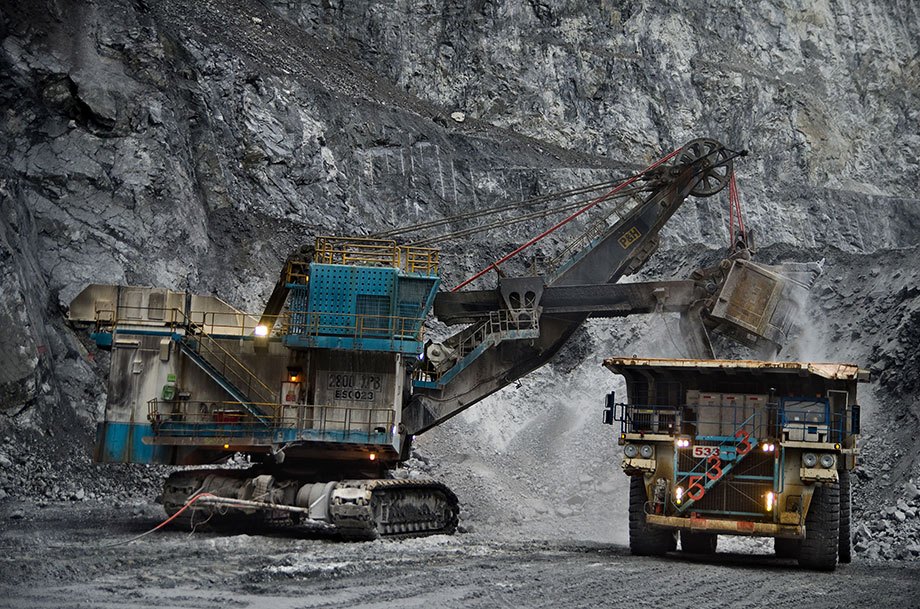
Surface mining requires massive, heavy duty equipment designed to move earth on a grand scale. Bulldozers, hydraulic shovels, and haul trucks are standard. Each of these machines faces intense workloads and harsh environments dust, vibration, extreme weather, and continuous operation.
Maintaining this equipment involves frequent inspection of tires, hydraulic systems, engine components, and structural integrity. Even small issues, like hydraulic leaks or tire wear, can lead to significant downtime or accidents if not addressed promptly.
Also critical are graders and drill rigs used to prepare the terrain for blasting and extraction. These machines require precise calibration and regular system diagnostics to maintain accuracy and efficiency.
In underground operations, space is tighter, conditions are rougher, and equipment is exposed to unique risks like flooding, ventilation challenges, and rock falls. Machinery like jumbo drills, roof bolters, LHD (Load, Haul, Dump) loaders, and mining locomotives must be highly maneuverable and durable.
Maintenance here includes lubrication of joints and bearings, regular checks for rust and corrosion, and continuous inspection of electrical and hydraulic systems. Given the confined environments, any malfunction could lead to trapped equipment, endangering lives and disrupting operations.
Underground equipment also requires specialized tools and trained personnel who can safely perform maintenance tasks in limited-access areas.
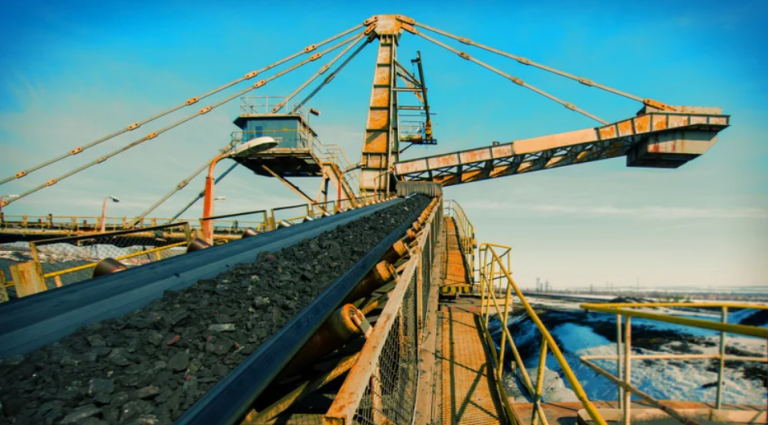
After minerals are extracted, they must be transported, crushed, and processed. This calls for a different set of equipment crushers, screeners, conveyors, feeders, and hoppers. These components handle tons of raw material every day, often in high-dust environments.
Because they operate continuously, even minor inefficiencies like misaligned belts or worn out conveyor rollers can snowball into major bottlenecks. Maintenance for this category involves constant lubrication, belt tension checks, structural inspections, and motor servicing.
Automated systems are now being integrated to monitor belt speed, load weight, and system vibration in real time improving maintenance accuracy and preempting failures.
Preventive maintenance (PM) is the cornerstone of efficient operations. This strategy involves scheduled inspections, component replacements, and routine servicing designed to catch issues before they escalate.
Think of PM like a regular health check up for your machinery it may not always find a problem, but it ensures peace of mind and long term wellness. This proactive approach reduces unexpected breakdowns and helps forecast parts replacement, labor needs, and budget allocations.
In mining, PM schedules are often based on operating hours, production cycles, or environmental exposure. A bulldozer operating 20 hours a day in a dusty pit may require daily filter cleaning, while a loader might need weekly fluid checks.
The effectiveness of preventive maintenance hinges on discipline, planning, and accurate record-keeping. It’s not just about ticking boxes it’s about understanding machine behavior and intervening before minor issues grow into operational disasters.
Predictive maintenance (PdM) uses technology to forecast when a machine is likely to fail, allowing maintenance teams to intervene just in time. It relies on real-time data from sensors that monitor variables like temperature, vibration, pressure, and wear.
By analyzing this data with machine learning algorithms, PdM systems can detect patterns and predict future failures. This approach eliminates unnecessary servicing, cuts down on downtime, and saves on costs compared to traditional PM.
In a mining context, PdM helps optimize the service life of critical assets, especially those with expensive or hard to source components. It also allows for better resource planning and minimal disruption to production schedules.
The catch? Implementing predictive maintenance requires investment in sensors, data platforms, and skilled analysts. But the payoff reduced downtime, lower maintenance costs, and higher reliability is often well worth it.
Also known as “run to failure,” reactive maintenance is when equipment is only repaired after it breaks down. While it may seem cost effective initially, it’s the riskiest and most expensive approach in the long run.
When a critical component fails unexpectedly, it can bring entire operations to a halt, require emergency part deliveries, and lead to cascading failures in connected systems.
In mining, reactive maintenance often results in lost production time, safety incidents, and expensive overtime labor. It should be a last resort not a regular practice.
Smart mining companies are transitioning from reactive to preventive and predictive models, using data and planning to turn maintenance from a cost center into a strategic advantage.
Scheduled inspections are the first line of defense against equipment failure. These inspections involve checking components such as engines, hydraulics, transmissions, cooling systems, brakes, and structural elements on a routine basis. They help detect wear and tear, leaks, or malfunctions before they become serious issues.
In the mining environment, these inspections are usually timed according to equipment usage hours. For instance, after every 250, 500, or 1,000 operational hours, certain maintenance tasks are performed. Heavy machinery like dump trucks and loaders may need oil changes, hydraulic fluid top-ups, and air filter replacements at precise intervals.
Regular servicing also includes cleaning and recalibration to maintain accuracy and prevent environmental contaminants like dust and debris from causing mechanical issues. This ensures the machinery continues operating efficiently, reducing fuel consumption and extending service life.
Well maintained machines don’t just last longer they perform better. That’s why mining companies that strictly adhere to scheduled maintenance often report fewer breakdowns, higher productivity, and lower operating costs.
Lubrication is like oxygen for mining equipment it reduces friction, cools down systems, and prevents metal components from grinding each other into scrap. Lubricants need to be applied in the right amount, at the right time, using the correct type for each component.
Greasing points, bearings, joints, and drive shafts must all be checked regularly. Skipping lubrication, even once, can lead to overheating, metal fatigue, and irreversible damage. It’s one of the simplest yet most effective preventive maintenance tasks.
Component replacement is another critical element. Items like belts, filters, seals, and hoses have a limited lifespan. Even when they appear functional, they can degrade suddenly under load. Replacing them on schedule prevents surprise failures and helps maintain consistent machine performance.
Many mining operations maintain a parts change log, so they know when each component was last replaced and when it will be due again. This organized approach keeps equipment reliable and maintenance predictable.
Proper maintenance isn’t just about fixing things it’s about tracking them. Record keeping ensures that every maintenance activity, inspection, and replacement is logged, analyzed, and reviewed.
Digital tools, such as spreadsheets or CMMS platforms, are often used to store this data. This helps maintenance managers identify patterns, schedule upcoming tasks, and monitor compliance with regulatory requirements.
In heavily regulated environments, documentation is key for audits and inspections. It also proves due diligence in safety protocols, reducing liability in the event of accidents or breakdowns.
Record keeping adds transparency and helps mine operators plan for future expenses, forecast parts inventory needs, and ensure no task falls through the cracks.
The Internet of Things (IoT) has revolutionized mining maintenance by embedding sensors into equipment. These sensors continuously collect data on parameters like temperature, vibration, pressure, fuel usage, and fluid levels.
By streaming this data in real time, IoT devices help operators identify anomalies before they lead to mechanical failure. For example, if a haul truck’s engine temperature starts trending upward beyond normal levels, the system can flag the issue for immediate attention before a costly breakdown occurs.
Sensors also help monitor tire pressure, brake pad wear, and even oil quality. With this constant feedback loop, operators can maintain optimal performance and avoid over servicing or under-servicing equipment.
The power of IoT lies in its ability to turn every machine into a self reporting asset. It enables a transition from guesswork to data-driven decisions.
Collecting data is only the first step. Analyzing it is where predictive maintenance really shines. Machine learning algorithms can identify trends and make sense of vast volumes of information that would overwhelm human operators.
For example, a data model could learn the vibration signature of a healthy conveyor belt and detect when it starts to deviate signaling misalignment or bearing wear. It could also compare fuel efficiency over time to identify potential engine degradation.
Machine learning models improve the more data they process. Over time, they become increasingly accurate at predicting failures, optimizing maintenance schedules, and minimizing disruptions.
This predictive capability reduces the need for scheduled downtime and allows for “just in time” repairs, saving both time and money.
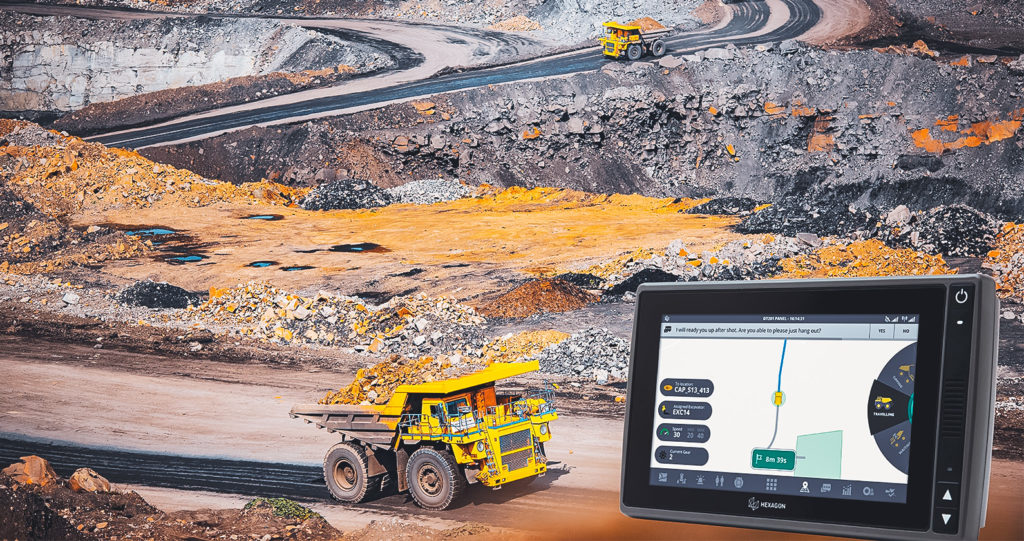
Real time monitoring systems connect operators, engineers, and field technicians with instant access to equipment health metrics. Through dashboards, mobile apps, or automated alerts, teams can track machine performance from anywhere even across different continents.
If a critical asset like a dragline or crusher begins operating outside of optimal thresholds, the system sends a notification immediately. Maintenance teams can then intervene before the issue escalates into a breakdown.
This responsiveness is especially valuable in remote mining operations where delays in response time could lead to severe production losses. Real-time alerts can also be escalated to multiple team members, ensuring accountability and rapid action.
In short, real-time monitoring empowers teams to stay one step ahead fixing problems before they occur.
These cascading failures can turn a minor issue into a six figure repair job. If a key piece of processing equipment goes down, the entire production line might grind to a halt, costing tens of thousands in lost revenue per hour.
The truth is: reactive maintenance may save money in the short term but usually leads to financial disaster in the long run.
When equipment fails unexpectedly, the risk to worker safety skyrockets. A broken cable, failed hydraulic line, or overheating motor can result in injuries or worse. Emergency repairs often have to be performed under pressure, in hazardous environments, and without the benefit of proper planning.
Such conditions compromise safety protocols and increase the chance of accidents. Downtime due to failures also creates stressful work environments and disrupts the entire workflow.
Even beyond safety, the impact on morale and productivity is significant. Workers are less confident operating equipment that frequently fails, leading to decreased efficiency and more cautious operation.
In industries where every second counts, these disruptions can ripple across an entire operation, damaging productivity and team cohesion.
Many mining operations are stuck in a reactive mindset due to lack of resources, training, or planning. Transitioning to a proactive maintenance model requires a cultural shift but it’s worth every effort.
First, mines must invest in training maintenance staff and operators to understand and identify early warning signs. Next, they must establish structured preventive maintenance schedules based on equipment usage and environment.
Digitizing maintenance logs, adopting a CMMS, and using sensor-based technology can further smooth the transition. Start small perhaps with one equipment type or fleet and scale gradually.
The goal is not to eliminate all reactive repairs, but to reduce them dramatically. As proactive maintenance becomes the norm, operations become safer, smoother, and significantly more profitable.
The foundation of any successful maintenance program is a well defined plan backed by clear objectives. You can’t improve what you don’t measure so setting specific, measurable KPIs (Key Performance Indicators) is essential for tracking maintenance performance.
These metrics allow managers to identify inefficiencies, prioritize resources, and forecast maintenance costs accurately. For instance, if a specific piece of equipment consistently has lower MTBF, it may indicate a need for component redesign or improved servicing routines.
Objectives should also align with broader organizational goals like reducing costs, enhancing safety, and improving production output. A focused maintenance plan helps you track progress and respond quickly to operational challenges.
Not all machines are created equal. Some pieces of equipment are critical to core operations, while others play support roles. A strong maintenance plan begins with a comprehensive inventory of all machinery, classified by their function, age, usage, and criticality.
Critical equipment such as crushers, haul trucks, and loading shovels should be prioritized for more frequent inspections and advanced monitoring systems. Non critical tools might follow a less intensive schedule.
Developing an equipment hierarchy ensures that limited maintenance resources are allocated where they’re needed most. It also supports emergency planning helping teams identify which machines need immediate attention when multiple issues arise simultaneously.
A digital equipment inventory, updated in real time, provides a live snapshot of the operational landscape and simplifies reporting, planning, and compliance management.
Maintenance budgets aren’t just about dollars they’re about decisions. How much should be allocated for parts, labor, training, and technology? A well crafted budget reflects the mine’s operational priorities and risk tolerance.
Skimping on maintenance to save money often backfires. Deferred repairs can escalate into full blown crises, costing ten times more than preventive fixes. On the other hand, over maintenance can waste valuable time and money.
Striking the right balance requires historical data, predictive analytics, and input from field technicians. Budgets should also account for inflation, equipment aging, and emerging technologies.
Resource allocation should consider both human and material resources. Are there enough trained technicians? Is there access to spare parts and specialized tools? Budgeting isn’t just about numbers it’s about strategic preparedness.
Skilled labor is the heart of any successful maintenance program. No matter how advanced your tools or predictive systems are, they’re only as effective as the people operating and interpreting them.
Regular training ensures that technicians stay up to date on the latest maintenance techniques, safety procedures, and equipment updates. Certification programs also help standardize skill levels across large teams, boosting both competence and confidence.
In Africa, initiatives like the Mining Qualifications Authority (MQA) in South Africa or regional training institutes are key to developing skilled maintenance professionals.
The return on training investment is enormous: better diagnostics, faster repairs, fewer accidents, and greater morale.
Maintenance work comes with inherent risks moving machinery, high voltage systems, confined spaces, and hazardous materials. That’s why safety isn’t just a requirement; it’s a core value.
Technicians must follow strict protocols for lockout/tagout, fall protection, equipment shutdowns, and personal protective equipment (PPE). Routine safety drills, toolbox talks, and peer audits reinforce safe behavior and keep safety top of mind.
A culture of safety empowers workers to speak up about hazards, stop work when unsafe conditions arise, and continuously look for ways to improve procedures.
Best practices also include ergonomic tool design, fatigue management, and mental health support especially in high stress or remote mining operations. Healthy, safe workers are more productive, reliable, and committed.
Attracting and retaining skilled maintenance workers is a growing challenge in the mining industry, especially in remote regions. Competitive salaries, benefits, and clear career progression paths are key to holding onto top talent.
Incentive programs tied to performance such as bonuses for minimizing downtime or improving equipment reliability can boost motivation and accountability. Recognition programs, professional development opportunities, and access to new technology also help retain skilled staff.
A strong retention strategy creates a stable, experienced maintenance team that becomes a strategic asset. These seasoned professionals often detect subtle issues before they escalate, offer mentoring to junior staff, and contribute to a culture of continuous improvement.
CMMS platforms are digital tools that help mining companies schedule, track, and optimize maintenance activities. A good CMMS acts as the central nervous system of your maintenance department storing data, automating tasks, and enabling communication across teams.
By centralizing information, CMMS eliminates guesswork and paper trails. It ensures everyone from planners to mechanics has access to the same accurate, up to date information.
Advanced CMMS platforms also integrate with IoT sensors, enterprise resource planning (ERP) software, and mobile apps bringing maintenance into the digital age.
Implementing a CMMS delivers immediate and long term benefits. It improves equipment reliability by ensuring timely maintenance, reduces downtime by enabling early problem detection, and cuts costs by optimizing parts inventory and labor schedules.
CMMS also simplifies compliance with safety and environmental regulations, offering instant access to inspection logs and audit trails. It empowers data driven decision making and supports strategic planning by highlighting trends in asset performance.
In remote or large scale mining operations, CMMS helps bridge communication gaps and standardize maintenance procedures across sites.
Ultimately, a well used CMMS transforms maintenance from a reactive chore into a strategic, value-adding function.
Modern mining operations use a suite of digital tools ERP systems for finance, fleet management platforms for logistics, and SCADA systems for process control. CMMS must integrate seamlessly with these systems to create a connected digital ecosystem.
This integration allows for cross department visibility and automates workflows. For instance, a vibration alert from a conveyor belt sensor can trigger a CMMS work order, notify the technician, and adjust the production schedule all without manual input.
Data from CMMS can also feed into business intelligence platforms, helping executives understand how maintenance affects profitability, safety, and sustainability.
A unified digital infrastructure ensures faster decisions, fewer errors, and a more agile, resilient mining operation.
In mining, where even an hour of downtime can cost tens of thousands of dollars, having critical spare parts on hand is non negotiable. A well stocked parts inventory ensures that maintenance teams can perform timely repairs without waiting for deliveries or scrambling for alternatives.
This doesn’t mean stockpiling everything but rather maintaining strategic reserves of high failure, long lead time, or mission critical components. These include engine parts, hydraulic hoses, filters, bearings, seals, and electronic modules.
By analyzing usage trends and equipment history, companies can forecast needs and build lean, efficient stockrooms that support 24/7 mining operations.
In mining, JIC is often more appropriate especially in remote sites where delivery delays are common. However, a hybrid model combining JIT for standard parts and JIC for critical components can offer the best of both worlds.
With today’s digital tools, mines can track parts consumption in real time, automate reordering, and maintain optimal inventory levels. The result is fewer outages, faster repairs, and lower costs.
Your spare parts strategy is only as strong as your suppliers. Building strong, reliable relationships with vendors ensures consistent quality, fair pricing, and timely delivery.
Mining companies should partner with OEMs (Original Equipment Manufacturers) and reputable aftermarket suppliers who understand the specific demands of mining environments. Long term contracts, bulk discounts, and service level agreements (SLAs) can secure better terms and faster support.
Regular vendor evaluations, based on delivery performance, product quality, and responsiveness, help weed out underperformers and build a robust supply chain.
Collaborative relationships with vendors can also yield technical support, training, and access to the latest innovations making them an extension of your maintenance team.
Every dollar spent on maintenance should return more in productivity, safety, and equipment longevity. That’s why tracking ROI is critical. Start by comparing maintenance costs (labor, parts, software, training) to benefits like reduced downtime, lower repair costs, and extended asset life.
For instance, investing $50,000 annually in predictive maintenance could save $200,000 in avoided failures, plus boost equipment uptime by 10%. That’s a clear return.
Advanced analytics tools can tie maintenance KPIs to operational performance, helping management see the financial impact of their investment. By framing maintenance as a profit generator not just a cost center you gain buy in from stakeholders and budget allocators.
Efficiency also reduces strain on equipment, minimizing fuel consumption and emissions. This makes operations more sustainable and cost effective over time.
By optimizing every maintenance dollar, mining operations can improve their bottom line without compromising safety or quality.
Mining equipment is a capital investment often costing millions per unit. Maximizing its lifespan significantly improves ROI and delays costly replacements.
Well maintained machinery retains more of its original efficiency and resale value. Extended equipment life also lowers depreciation costs and stabilizes financial forecasting.
From haul trucks to crushers, each additional year of service delivers exponential savings. Over the long haul, this translates into stronger profit margins, better asset utilization, and a more resilient operation.
Modern mines are under pressure to reduce their environmental footprint. Well maintained equipment emits fewer pollutants, consumes less fuel, and operates more cleanly.
Regular engine tuning, exhaust system checks, and filter replacements are essential for keeping emissions within legal limits. Lubrication, tire pressure, and cooling systems also affect fuel efficiency making maintenance a key part of any green mining initiative.
Companies looking to comply with ESG mandates or secure sustainability linked financing must demonstrate proactive emission control through rigorous maintenance.
Maintenance work often involves high risk tasks working at height, exposure to chemicals, electrical hazards, and confined spaces. That’s why safety must be woven into every maintenance procedure.
Safety measures include PPE, lockout/tagout protocols, fall protection systems, and proper lighting in dark or dusty environments. Technicians must also receive training in first aid, emergency response, and hazard identification.
A safe maintenance program reduces accidents, legal liabilities, and absenteeism. It also builds a culture of responsibility and care essential in hazardous mining environments.
Governments and regulatory bodies have strict requirements around equipment maintenance especially in sectors like mining, where public health and environmental risks are high.
Compliance involves adhering to inspection intervals, maintaining service logs, and following safety codes. Violations can result in fines, permit revocations, or even mine shutdowns.
By institutionalizing compliance within the maintenance process through checklists, audits, and software alerts mines can avoid legal trouble and demonstrate corporate responsibility.
In South Africa, AngloGold Ashanti has implemented a world-class maintenance regime using CMMS platforms and predictive analytics. Their proactive approach has reduced equipment failure rates by 35% and cut maintenance costs by 22%.
Another example is Zambia’s Mopani Copper Mines, where maintenance training programs and inventory upgrades have boosted equipment uptime and decreased emergency repairs.
These success stories prove that with the right systems and people, sustainable and efficient maintenance is within reach.
In contrast, poorly maintained mining operations have suffered devastating losses. In 2020, a major copper mine in the DRC experienced a multi day shutdown due to a failed crusher component. Investigations revealed a lack of preventive maintenance and insufficient spare parts inventory.
Such failures not only cost millions in lost production but also damage a company’s reputation, lead to regulatory scrutiny, and endanger lives.
By applying these lessons, mining operations can build resilient, high-performing maintenance programs that stand the test of time.
Artificial Intelligence (AI) is changing the game in maintenance. AI powered diagnostics can analyze sensor data, detect anomalies, and recommend solutions often before a human even notices a problem.
Autonomous systems can schedule repairs, assign technicians, and update inventory all without manual input. These tools streamline decision making and reduce human error.
As AI matures, we can expect real time maintenance optimization and even self healing systems that adjust parameters automatically to avoid damage.
Green maintenance practices like biodegradable lubricants, electric diagnostic tools, and energy efficient lighting are gaining traction. Equipment lifecycle analysis and circular economy principles are also being integrated into maintenance planning.
Sustainability isn’t just an add-on it’s becoming a core requirement, especially for companies seeking eco conscious investors and global compliance.
The future is connected. Smart equipment will communicate seamlessly with CMMS platforms, supply chains, and even drones for visual inspections.
These ecosystems will offer real time insights, remote diagnostics, and cloud based collaboration making maintenance faster, cheaper, and more intelligent.
Mining companies that embrace these technologies will lead the way in efficiency, safety, and sustainability.
Maintenance in mining is no longer a side function it’s the lifeblood of operational efficiency, safety, and profitability. From preventive checks to predictive analytics and smart sensors, every layer of a modern maintenance strategy adds value.
Companies that invest in training, technology, and planning don’t just avoid breakdowns they gain a strategic edge. They operate smoother, safer, and more sustainably delivering better returns to stakeholders and more reliable support to production teams.
As mining enters the digital age, those who prioritize equipment care will stand out not just as producers but as innovators and leaders in the global resource economy.