When those parts fail, so does the machine. The consequences? Downtime, lost revenue, safety risks, and reputational damage. That’s why the decision between OEM (Original Equipment Manufacturer) and aftermarket spares isn’t just about price—it’s about performance, safety, and long-term value.
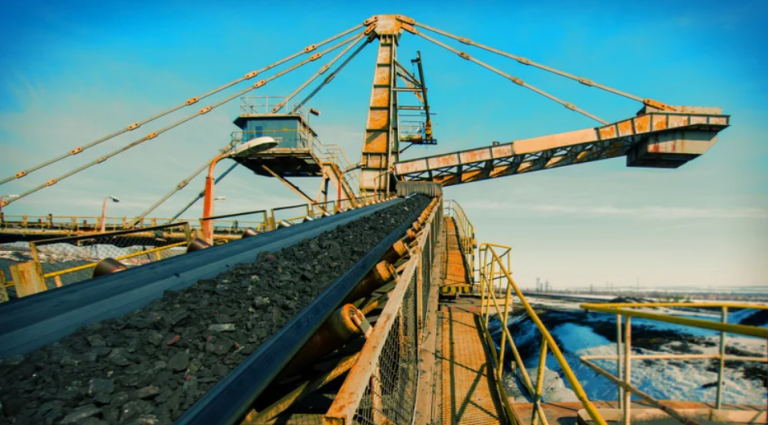
In mining, machinery isn’t just equipment it’s the lifeblood of your operation. Whether it’s an underground drill rig, a haul truck, or a conveyor system, your entire output depends on these machines working reliably and efficiently. And behind every functioning machine is a network of parts components that must endure extreme conditions, brutal wear, and nonstop production cycles.
OEM spares are parts made by the original manufacturer of the equipment or by certified partners who follow exact design and engineering specs. Aftermarket parts are created by third-party manufacturers and are intended to replicate or replace OEM parts sometimes successfully, sometimes not.
The core debate centers on one key question: Is the upfront cost saving from aftermarket parts worth the potential risks? In many cases, the answer is no. While aftermarket parts may offer short term savings, OEM spares deliver unmatched long term value in performance, durability, and safety.
This article will break down why OEM mining spares are not just worth the investment—but essential to efficient, sustainable, and safe mining operations.
OEM mining spares are parts manufactured either directly by the original equipment maker or under its authority and specifications. These components are identical or equivalent to those initially installed in the machinery when it left the factory.
OEM parts are built using the exact materials, tolerances, and quality controls defined by the machine’s original designers. They’re engineered not just to fit but to function perfectly within the machine’s broader system.
These spares are often stamped or coded with OEM markings, part numbers, and traceability information, making it easy to verify their authenticity and match them precisely with specific equipment models.
Unlike many aftermarket alternatives, OEM parts undergo rigorous testing during the design and production process. They’re subjected to real world stress simulations, temperature extremes, and lifecycle performance tests that mimic actual mining conditions.
OEM manufacturers also integrate new feedback and field data into their design updates, meaning each generation of OEM spares often performs better than the last. These companies have full access to machine blueprints, internal specs, and operational data something third-party vendors often lack.
This level of precision and oversight ensures that OEM parts maintain structural integrity, safety margins, and operational performance, even under the harshest conditions.
One of the biggest headaches with aftermarket parts is fitment. Even a few millimeters of deviation can throw off alignment, increase vibration, or accelerate wear on adjoining components. OEM parts eliminate that risk by offering perfect compatibility.
This seamless fit also means faster installation, fewer technician errors, and smoother integration into existing systems reducing downtime and labor costs.
OEM parts are manufactured under strict quality control protocols, including ISO standards, certified materials sourcing, and batch level inspections. This ensures consistent quality across every unit, whether you’re buying a single component or restocking your entire inventory.
With aftermarket parts, quality can vary significantly between batches or even within the same shipment. You might save upfront but end up replacing components sooner or dealing with unexpected failures.
In contrast, OEM parts offer predictable, repeatable reliability that mining operations can count on especially in mission critical systems like hydraulics, engines, and power transmission.
Most OEM parts come with a manufacturer’s warranty covering defects, premature wear, and in some cases, even collateral damage caused by part failure. This warranty offers peace of mind and financial protection.
More importantly, using OEM spares helps you maintain your equipment’s factory warranty. Many OEMs void warranties if unauthorized or aftermarket parts are installed, leaving operators exposed to expensive repair bills in the event of a failure.
Beyond warranty protection, OEM suppliers typically offer robust customer support, including technical assistance, installation guidance, and access to maintenance documentation. That level of support is invaluable especially in remote or high-risk mining environments.
OEM parts are engineered to work in harmony with the full machine system. Their performance characteristics like pressure thresholds, vibration absorption, and thermal conductivity are fine-tuned to match the rest of the equipment.
This ensures that when installed, they don’t just “fit” they contribute to the optimal performance of the whole machine. The result? Smoother operation, higher output efficiency, and less strain on adjacent parts.
Aftermarket components may look similar, but even slight differences in material hardness, surface finish, or dimensions can reduce machine efficiency and accelerate wear.
Using non OEM parts can introduce variability that undermines system integrity. A poorly manufactured valve could over pressurize a hydraulic system. A subpar bushing could cause misalignment that leads to catastrophic bearing failure.
OEM parts, by contrast, are built with full knowledge of the entire system. They help maintain the delicate balance of forces and tolerances that keep heavy equipment running under load, pressure, and extreme conditions.
By reducing the risk of failure, OEM spares also reduce the risk of unplanned downtime, which can cost mines thousands of dollars per hour not to mention safety incidents, damaged reputations, and missed deadlines.
Properly functioning equipment runs more efficiently and that includes fuel usage. OEM components are often more precisely balanced, better sealed, and built from materials that reduce friction and resistance.
That translates into better energy usage and a longer service life for the equipment. Over the long haul, machines maintained with OEM parts tend to consume less fuel, need fewer repairs, and perform more reliably throughout their operational lifespan.
This isn’t just good for your budget it’s good for the environment, helping reduce emissions and supporting sustainability goals.
In mining, safety and compliance are more than just checkboxes they’re survival essentials. Regulatory bodies around the world mandate strict safety standards for equipment, and using uncertified or substandard parts can lead to violations, penalties, or even shutdowns.
OEM spares are manufactured to meet or exceed these regulatory standards. Whether it’s ISO certifications, MSHA (Mine Safety and Health Administration) approvals, or compliance with national mining safety acts, OEM parts come with the documentation and proof of compliance needed for inspections and audits.
In contrast, aftermarket suppliers may not always adhere to the same stringent standards or may lack the testing protocols to verify compliance consistently.
Mining environments are inherently dangerous high-pressure systems, extreme temperatures, airborne particulates, and heavy loads all contribute to high risk. The failure of a single component can cause chain-reaction breakdowns or safety incidents.
Using OEM parts reduces that risk. They’re designed with safety factors built into their engineering thicker seals, heat-resistant materials, reinforced designs that stand up to the rigors of daily mining operations.
They’re also tested under extreme conditions before being released into the field. That level of pre-use validation provides peace of mind that the component won’t fail when it matters most.
OEM parts come with traceability. You can verify what materials were used, where they came from, and how they were treated. This is essential in systems where specific alloys, coatings, or tolerances are necessary to prevent corrosion, wear, or fatigue.
In aftermarket parts, especially from less reputable suppliers, materials may be swapped or quality compromised to reduce costs. Without proper documentation, you have no assurance of what’s inside.
OEM spares, on the other hand, are engineered to exact specifications and come with the documentation to prove it. That means greater transparency, accountability, and trust in the part’s performance over time.
While OEM parts may cost more upfront, they often lead to lower Total Cost of Ownership (TCO). That’s because they last longer, perform better, and are less likely to cause collateral damage or require frequent replacements.
When you factor in the cost of installation, labor, downtime, emergency repairs, and fuel efficiency, OEM spares typically outperform cheaper alternatives in the long run. They offer predictable performance, making budgeting and financial planning easier for maintenance teams.
TCO also includes indirect savings like maintaining warranty coverage, reducing inspection failures, and minimizing compliance costs.
Every hour of mining downtime translates into lost revenue. If a failed aftermarket part sidelines a critical asset like a loader or haul truck, the financial impact can be massive.
OEM parts are designed for durability and long service intervals. That means fewer breakdowns, less frequent servicing, and more uptime. Your machines stay in the field longer, delivering value instead of sitting idle in the maintenance yard.
Additionally, technicians can install OEM parts more quickly and confidently, thanks to better documentation and fitment saving on labor costs and improving scheduling efficiency.
When it’s time to upgrade or sell used mining equipment, the presence of OEM parts enhances resale value. Buyers, financiers, and evaluators prefer machines that have been maintained with OEM components, as it indicates proper care and reliable performance history.
Machines loaded with unknown or low grade aftermarket parts often fetch lower prices and attract more scrutiny during inspections.
Using OEM spares also supports service history transparency another factor that boosts buyer confidence and resale pricing.
Aftermarket parts vary widely in quality. Some match or even exceed OEM performance but others fall far short. Without standardized quality assurance or regulatory oversight across the entire aftermarket industry, inconsistency is a serious risk.
A part may look identical to its OEM counterpart but perform very differently in the field. This inconsistency leads to premature wear, inefficiencies, and avoidable breakdowns.
The lack of uniform standards makes it difficult for mining operations to depend fully on aftermarket parts especially in mission-critical systems.
One of the biggest downsides to aftermarket parts is the potential voiding of manufacturer warranties. OEMs frequently specify that only original components may be used for warranty protection to remain valid.
If an aftermarket part causes a failure or is simply discovered during an inspection your entire equipment warranty could be canceled, exposing your operation to full liability.
Additionally, compatibility is often a guessing game. Even a tiny misfit in a shaft, seal, or mount can lead to vibration, heat generation, or accelerated wear.
What looks like a budget friendly decision on paper can end up being a costly headache in practice. Poor quality aftermarket parts can lead to cascading failures damaging other components and requiring multiple repair interventions.
Shipping delays, lack of local support, and absence of technical documentation can also add to the hidden costs. When a critical system fails because of an unverified part, the real cost isn’t just the replacement it’s the time, effort, and lost productivity that follow.
OEM parts, by contrast, offer known costs and fewer unpleasant surprises.
There are situations where aftermarket parts make sense particularly for non critical systems. Components like cabin air filters, light housings, or minor trim pieces may be safely replaced with well-made aftermarket versions.
These parts typically have minimal impact on machine performance, safety, or warranty coverage. If they meet the required specs and come from reputable vendors, they can help reduce costs without introducing significant risk.
If your equipment is past its warranty period and no longer covered by OEM service contracts, the use of aftermarket parts may become more feasible especially if you’ve validated supplier quality.
In these cases, it’s still important to evaluate the criticality of the part and its potential impact on other systems.
A robust internal vetting process can help ensure that aftermarket choices don’t compromise long-term asset performance.
In remote or time sensitive situations, aftermarket parts may be the only available option. If a component failure occurs and an OEM replacement is days or weeks away, a quality aftermarket part might be the only way to avoid prolonged downtime.
In such cases, it’s essential to work with trusted local suppliers who can provide verifiable quality and performance assurance even if the part is temporary until an OEM unit arrives.
Emergency use should always be followed by proper documentation and post-installation inspections.
One of the biggest advantages of OEM suppliers is the breadth of support services they offer. From on-site installation guidance to troubleshooting and diagnostics, OEMs often provide expert assistance that aftermarket vendors can’t match.
This technical support is crucial in complex mining environments where equipment must perform flawlessly. OEM field technicians are trained specifically on their equipment, ensuring accurate assessments, faster repairs, and better long-term outcomes.
Some OEMs even embed support teams at client sites, providing real time maintenance assistance and feedback loops to improve product design based on user experience
OEMs are constantly innovating. When you maintain a strong relationship with them, you gain access to the latest upgrades improved component designs, more efficient materials, and software updates that boost equipment performance and safety.
These enhancements are often exclusive to OEM components and may not be available in the aftermarket. Upgrades can also be integrated more seamlessly when OEM parts are used throughout the system, ensuring better overall machine efficiency.
In fast-evolving mining environments, staying current with OEM innovations can give your operation a competitive edge.
OEMs provide detailed manuals, service bulletins, training courses, and installation videos to support their parts. These resources reduce maintenance errors and improve technician proficiency—especially in remote or high-turnover environments.
Some OEMs also offer certifications and training programs that enhance your team’s technical capability and safety culture. This is particularly valuable when managing a large fleet across multiple sites or regions.
Better trained teams and well documented procedures translate into fewer mistakes, safer operations, and longer equipment life.
A gold mine in Tanzania reported a 42% drop in unscheduled equipment downtime after switching from aftermarket to OEM hydraulic components. The change improved system pressure stability, reduced leak incidents, and extended service intervals by 30%.
Even though OEM parts cost 25% more upfront, the mine saved nearly $500,000 in downtime, repair labor, and lost productivity over 12 months.
This is a clear example of how OEM investments pay off in the long run, particularly for critical systems that affect production flow.
Conversely, a copper operation in Zambia faced a two-week shutdown after an aftermarket engine part failed during heavy duty operation. The part cracked under load, damaging other engine components and voiding the machine’s remaining warranty.
While the aftermarket part seemed like a smart budget choice initially, the real cost proved far higher than expected underscoring the dangers of choosing price over proven quality.
However, companies that fail to define which systems allow aftermarket parts often encounter compatibility issues, undocumented installations, and inconsistent maintenance records.
OEM components deliver unmatched precision, reliability, and support. They protect warranties, reduce downtime, ensure compliance, and extend equipment life ultimately lowering the total cost of ownership.
So, when performance, safety, and long-term value matter OEM is worth every cent.