Underground mining is no walk in the park. It’s an unforgiving world where machines are pushed to their limits. We’re talking tight tunnels, extreme temperatures, constant vibration, water everywhere, and abrasive dust that seems to get into every nook and cranny. Sounds like a nightmare for machinery, right?
How Underground Mining Equipment is Designed to Tackle Harsh Environments
That’s exactly why underground mining equipment isn’t your average construction gear. It’s specifically engineered to endure and operate efficiently in one of the harshest work environments known to man. In this article, we’re diving deep (pun intended) into how these machines are built tough inside and out to not just survive but thrive in underground conditions.
So, if you’ve ever wondered what makes mining gear so resilient, or you’re looking to invest in equipment that won’t let you down when the going gets tough, keep reading.
Understanding Harsh Mining Environments
Underground mines are complex and brutal ecosystems. The deeper you go, the more intense it gets. The environment can vary dramatically depending on location and mineral type, but here are some common elements that challenge equipment design:
- Temperature Extremes: As you dig deeper into the Earth, things heat up. Literally. Some mines reach temperatures of over 45°C (113°F).
- Water and Humidity: Many underground mines are damp or flooded. Constant exposure to moisture means rust, corrosion, and electrical short-circuits are ever-present threats.
- Narrow, Confined Spaces: Unlike open-pit mining, underground operations are tight. Equipment must be small enough to maneuver but powerful enough to perform.
- Dust and Particulates: The air is loaded with dust fine particles from drilling, blasting, and hauling. This can clog air filters, reduce visibility, and ruin electronics.
- Continuous Operation: There’s little room for downtime. Mining equipment often runs 24/7 under extreme load, which accelerates wear and tear.
Understanding these challenges is the first step in appreciating how specialized underground mining equipment really is.
Structural Engineering Behind Underground Mining Equipment
Mining machines aren’t just strong they’re built like tanks. Their structural integrity is at the heart of their ability to survive underground.
Reinforced Frames and Materials
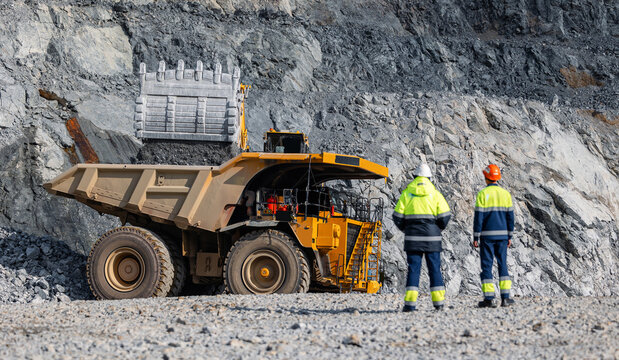
First off, the chassis and outer frame are typically made from high-strength, low-alloy steels. These materials are designed to resist deformation under massive loads. In underground settings, collisions with rocks and the mine walls are not only common—they’re expected. That’s why you’ll see reinforced corners, skid plates, and guards over critical components.
Frames are often designed to be both rigid and flexible rigid enough to hold up under tons of pressure but flexible enough to absorb shock from bumpy rides and rock impacts.
Load-Bearing Capacity and Shock Absorption
Design Against Physical Stress
Compact and Agile Designs for Confined Spaces
If you’ve ever tried to drive a full sized SUV through a tight alley, you know how frustrating maneuvering in tight spaces can be. Now imagine doing that with a 30 ton piece of machinery underground
Tight Turning Radius
If you’ve ever tried to drive a full sized SUV through a tight alley, you know how frustrating maneuvering in tight spaces can be. Now imagine doing that with a 30 ton piece of machinery underground
Low Clearance Machines
Telescopic and Articulated Components
Boom arms and loaders often have telescopic parts that can extend or contract, helping the operator reach confined spots without having to reposition the entire machine. This is crucial in operations where space is at a premium.
Environmental Sealing and Protection Mechanisms
One speck of dust in the wrong place can spell disaster. Multiply that by millions of particles, throw in water, and you’ve got a recipe for mechanical failure unless your gear is sealed tighter than a submarine.
Ingress Protection (IP) Ratings
The electronics and control systems are usually encased in IP-rated enclosures IP67 or higher meaning they’re dust tight and can withstand temporary immersion in water. It’s not just about weatherproofing; it’s about making the gear resistant to underground hellscapes.
Seals and Gaskets
Every door, panel, and joint is lined with industrial grade gaskets and rubber seals. These prevent water, mud, and dust from sneaking into sensitive areas like the engine bay or electrical compartments.
Cable Routing and Protection
Wiring is run through conduits or armored sheathing and routed away from heat sources, pinch points, and areas prone to vibration. This not only extends the life of the wiring but also improves machine reliability.
Thermal Management Systems in Underground Equipment
Heat is the silent killer of machinery, especially underground where natural ventilation is limited. Without proper cooling, engines overheat, fluids boil, and components fail. That’s why underground mining equipment is built with advanced thermal management systems.
High-Efficiency Cooling Systems
These machines are equipped with heavy-duty radiators, intercoolers, and oil coolers—often oversized compared to standard equipment. They may also feature dual cooling circuits: one for the engine and another for the hydraulics.
High-speed fans, thermostatically controlled for efficiency, push hot air out and circulate cooler air in, helping maintain optimal engine temperatures.
Insulation and Heat Shielding
Thermal insulation wraps around key components like exhaust pipes, turbochargers, and fluid lines. Heat shields protect electronics and cab interiors, ensuring critical systems and operator areas remain cool even when engine bays are scorching.
Ventilation Integration
Advanced Filtration Systems for Air and Fluids
Multi Stage Air Filters
Hydraulic and Fuel Filtration
Contaminated hydraulic fluid is a fast track to destroyed pumps and actuators. Mining machines feature multi-layer filtration systems with ultra-fine mesh and water separators to ensure clean, dry fluid flows through the system.
Similarly, diesel fuel filtration systems remove water and particulates before they can harm injectors or fuel pumps.
Operator Cabin Filtration
Robust Powertrains for Continuous Operation
In a 24/7 mining operation, downtime isn’t just annoying it’s expensive. Powertrains must be overbuilt, overcooled, and practically bulletproof.
Heavy Duty Engines
Advanced Transmission Systems
Planetary gearboxes, torque converters, and heavy-duty clutches are used to handle constant stop-start motion and steep inclines. Some machines even have programmable shift patterns to match terrain and load conditions.
Drivetrain Durability
Corrosion and Rust Protection Technologies
Special Coatings and Paints
Galvanized and Stainless Steel Parts
Drainage and Moisture Control
Automation and Remote Control in Harsh Conditions
Why Automation Matters
Remote Controlled Equipment
Benefits include:
- Enhanced safety
- Real-time diagnostics and data feedback
- Better control in complex environments
Autonomous Mining Technology
Cutting edge machines like autonomous trucks and drill rigs use GPS, LiDAR, and artificial intelligence to navigate tunnels and perform tasks without human intervention. These systems:
Map the environment
Adjust routes in real-time
Communicate with other machines and the mine’s command center
Real-Time Monitoring and Predictive Maintenance
Sensor Networks and Telemetry
Mining machines are now equipped with dozens (sometimes hundreds) of sensors that track everything from:
- Engine temperature
- Hydraulic pressure
- Gearbox vibration
- Brake pad wear
AI and Machine Learning in Maintenance
Artificial intelligence analyzes sensor data and compares it to millions of other machines. Over time, the system learns what “normal” looks like and predicts failures before they happen.
This proactive approach:
Prevents costly breakdowns
Reduces unplanned downtime
Optimizes replacement part inventories
Sensor Networks and Telemetry
Some companies go a step further by creating digital twins virtual models of their mining equipment. These simulations run in real-time alongside the physical machine, allowing engineers to test updates, identify weaknesses, and improve performance without touching the actual equipment.
Operator Comfort and Ergonomic Design
Vibration and Shock Absorption
Cabins are mounted on shock absorbers and vibration isolating systems. This reduces the impact on the operator’s spine and joints, especially when driving over uneven ground.
Climate Controlled Cabins
Ergonomic Controls and Interfaces
Touchscreen dashboards, adjustable seats, intuitive control layouts—everything is engineered to reduce fatigue and boost focus. In some premium models, you’ll even find Bluetooth, USB ports, and soundproofing for a more pleasant workday.
These design elements result in:
- Fewer operator errors
- Higher productivity
- Better long-term health outcomes for workers
Regulatory Compliance and Safety Features
Fire Suppression Systems
Roll-Over and Falling Object Protection
Lighting and Visibility Aids
Certifications and Standards
MSHA (U.S.)
ISO 19296
CE Certification (Europe)
CAN/CSA standards (Canada)
Customization for Specific Mining Conditions
Built-to-Spec Machines
- Extended booms for deeper reaches
- Specialized bucket sizes for different ore types
- Modified ventilation systems for poor air circulation zones
Modular Design Philosophy
Manufacturers are embracing modular design to make customization easier and faster. Need to swap out a diesel engine for an electric powertrain? Just replace the power module. Want a different cabin layout or tool attachment? Slide out the old unit and bolt in the new one.
This approach helps:
Reduce downtime
Speed up repairs
Future-proof your investment
Control Systems Tailored to Conditions
0Control interfaces can be adapted for right or left handed operators, extreme cold conditions (with glove-friendly controls), or multilingual setups. Some mining companies even program their machines with geo-fencing or load limits specific to zones within their own mine layout.
Customization isn’t just a luxury it’s often a necessity to achieve peak performance underground.
Sustainability and Eco-Friendly Equipment Design
Battery-Electric Vehicles (BEVs)
Zero on site emissions
Reduced heat output (great for ventilation costs)
Lower noise levels
Lower operating costs over time
Hybrid Power Systems
Emissions Control in Diesel Engines
Diesel particulate filters (DPFs)
Selective catalytic reduction (SCR)
Exhaust gas recirculation (EGR)
Material Recycling and Lifecycle Design
Some manufacturers are now designing machines with end-of-life recycling in mind. This includes:
Using recyclable metals
Modular components that are easier to refurbish
Reduced use of toxic chemicals in manufacturing
Training and Simulation for Harsh Equipment Operation
Simulators That Replicate Real Conditions
- Confined spaces
- Equipment malfunctions
- Emergency situations (like rock falls or fires)
This hands on experience is invaluable for preparing new operators and refreshing seasoned veterans without risking real equipment.
Augmented Reality (AR) and Virtual Reality (VR)
Certification and Continuous Education
- New safety protocols
- Updated technology
- Refresher courses on handling emergencies
In the end, a well-trained operator is a safer, more efficient operator—making training as vital as the machines themselves.