Sustainable mining is more than just a buzzword it’s a call to action in an industry historically linked with environmental destruction and community upheaval. At its core, sustainable mining refers to the practices that ensure resource extraction today does not compromise the environment, health, or wellbeing of future generations. It’s a balanced approach that acknowledges the importance of mineral resources to modern life while recognizing the finite nature of our planet’s ecosystems.
It also involves designing mines that can be rehabilitated post-extraction, creating long-term economic benefits for local communities, and integrating green technologies throughout operations. Ultimately, it’s about redefining the relationship between mining companies, the environment, and society.
Africa is rich in natural resources from gold in Ghana to diamonds in Botswana and copper in Zambia. However, the real question is: can these treasures be harnessed responsibly? The importance of sustainable mining in Africa cannot be overstated. Mining has been a double edged sword fueling economies while degrading ecosystems and displacing communities.
Africa is home to a vast and diverse mineral landscape. From the gold mines of Mali and South Africa to the cobalt fields in the Democratic Republic of Congo (DRC), mining is the engine driving many African economies. In fact, the continent accounts for over 30% of the world’s mineral reserves, including platinum, diamonds, bauxite, and uranium.
However, the continent’s mining activity is far from uniform. Countries like South Africa boast advanced mining infrastructure, while others like Niger and Guinea are still developing. Large scale multinational operations coexist with artisanal and small scale mining (ASM), which employs millions across the continent. ASM, though often informal, plays a critical economic role especially in rural communities.
Mining generates billions in export revenue, fuels job creation, and contributes to infrastructure development. Countries like Botswana have successfully used diamond revenues to build healthcare and education systems. Yet, these benefits often come at a steep environmental cost.
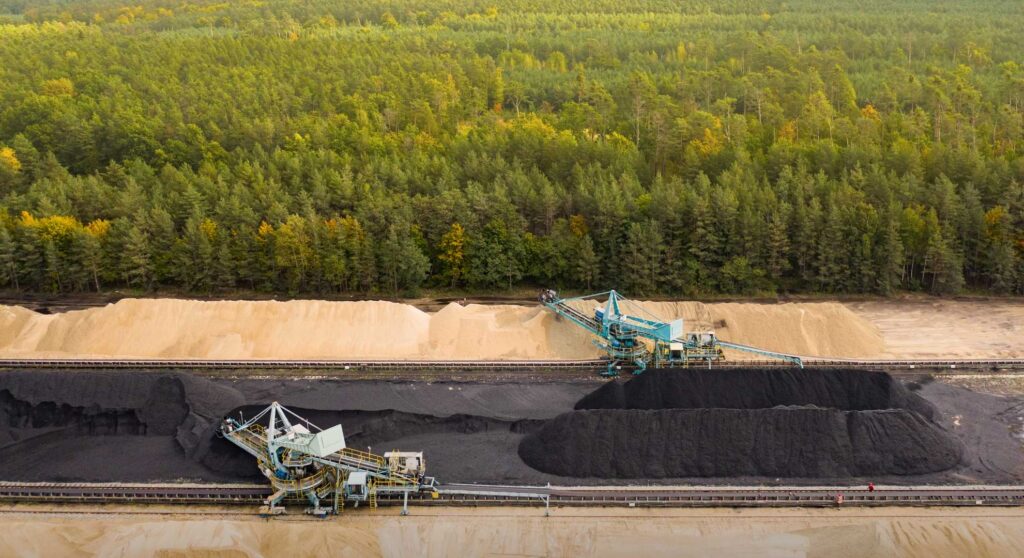
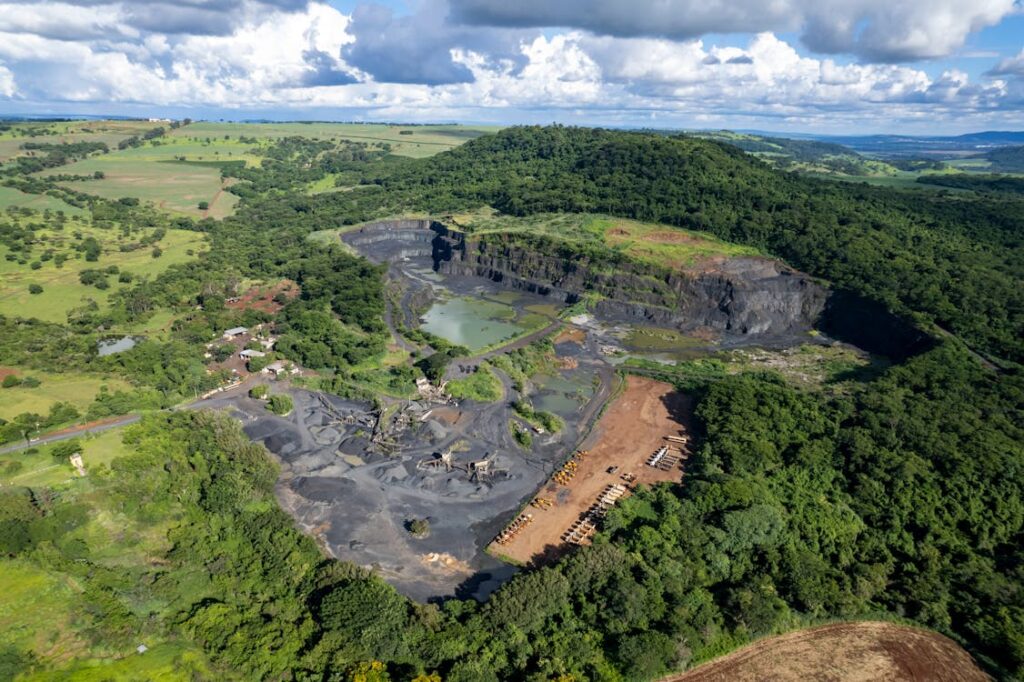
Take open pit mining for instance it results in massive land disturbances, contaminates water sources with heavy metals, and increases greenhouse gas emissions. In many parts of Africa, abandoned mines are environmental hazards waiting to explode, leaking toxic materials into nearby communities.
Balancing economic gains with environmental preservation is the central dilemma of mining in Africa. Sustainable mining aims to tip the scale in favor of long term value economically, environmentally, and socially.
Environmental degradation is perhaps the most visible consequence of unsustainable mining. Rivers laced with mercury from gold extraction, deforested lands due to clearing for mines, and air pollution from smelters paint a grim picture. In countries like Nigeria and Tanzania, oil and mineral extraction have severely impacted biodiversity and natural habitats.
Toxic tailings waste left over from mineral processing are often dumped untreated, contaminating soils and aquifers. Dust from mining operations contributes to respiratory issues in nearby populations. These are not isolated cases; they’re widespread issues requiring urgent action.
The lack of proper waste management, combined with weak enforcement of environmental regulations, exacerbates the problem. Many mining companies fail to conduct adequate Environmental Impact Assessments (EIAs), or ignore them altogether.
Sustainable mining tackles these issues head on through pollution control measures, better waste handling, ecosystem restoration, and community health programs
Mining projects often displace communities, sometimes without fair compensation or proper resettlement plans. Entire villages have been uprooted to make way for mines, with residents losing not just homes, but cultural ties and access to traditional lands.
This displacement breeds resentment and often sparks violent conflicts between locals and mining firms. In the DRC and Sierra Leone, such tensions have erupted into full-blown clashes. Add to this the issues of unfair wages, unsafe working conditions, and child labor especially in artisanal mining and the picture becomes even darker.
Sustainable mining emphasizes free, prior, and informed consent (FPIC) from communities, fair compensation, and inclusive dialogue to mitigate these social tensions. Empowering locals through jobs, training, and revenue sharing can turn opposition into cooperation.
Many African nations have strong environmental and mining laws on paper but enforcing them is a whole different story. Corruption, limited government capacity, and lack of political will often render these regulations ineffective.
Illegal mining operations flourish in regions with weak oversight, exacerbating environmental and social damage. In some cases, government officials collude with illegal operators, making reform even harder. Moreover, many regulatory bodies are underfunded and lack the tools to monitor compliance effectively.
For sustainable mining to take root, governments must bolster regulatory frameworks, invest in capacity building, and eliminate corruption. Transparent reporting and public participation are also key to ensuring accountability.
Environmental stewardship means treating nature as a partner, not an obstacle. It’s about integrating eco friendly practices from mine design to post-closure rehabilitation. Think water recycling, zero discharge policies, renewable energy use, and minimal land disruption.
Sustainable miners invest in continuous environmental monitoring tracking air and water quality, tailing dam integrity, and ecosystem health. Technologies like drone mapping, satellite imagery, and IoT sensors are making this easier and more accurate.
Moreover, progressive companies commit to restoring mined lands replanting forests, refilling open pits, and creating biodiversity offsets. It’s a long-term investment in the planet’s future, and one that pays dividends in social goodwill and regulatory compliance.
Government institutions are the gatekeepers of sustainable mining. Their ability or failure to set clear policies, enforce regulations, and support local communities directly influences the trajectory of mining practices. In Africa, government involvement is particularly crucial due to the high economic dependency on mineral exports.
Unfortunately, inconsistent governance has historically been a stumbling block. Licensing processes are often mired in bureaucracy or corruption, and weak institutions struggle to hold powerful multinational corporations accountable. For real change, governments need to step up as both regulators and facilitators of sustainable development.
This means revising outdated mining laws, streamlining approval processes, and integrating sustainability metrics into every mining license. Local content laws should be enforced to ensure that African citizens benefit from mining operations. Public private partnerships can also be leveraged to finance sustainable infrastructure in mining regions.
In short, the state must act not just as a watchdog, but as a proactive agent pushing the industry toward ethical and environmentally conscious standards.
Africa doesn’t operate in a vacuum. Global standards like the UN Sustainable Development Goals (SDGs), the Extractive Industries Transparency Initiative (EITI), and the IFC Performance Standards are critical in shaping African mining governance.
These frameworks guide companies and governments in integrating environmental, social, and governance (ESG) considerations into their operations. The African Mining Vision (AMV), endorsed by the African Union, is another roadmap promoting equitable and sustainable use of mineral resources.
By aligning national policies with international commitments, African nations can access funding, attract responsible investors, and gain diplomatic clout. But for these treaties to be effective, they must be more than signatures on paper they need implementation, monitoring, and enforcement mechanisms tailored to the African context.
Corruption and mismanagement have long plagued the mining sector in Africa. Transparency initiatives aim to reverse that trend. Programs like EITI require governments and companies to disclose contracts, revenues, and tax payments related to resource extraction. This makes it easier for civil society and watchdog groups to hold them accountable.
Some countries, like Ghana and Zambia, have made progress by launching online portals where mining data is accessible to the public. This openness fosters trust, discourages illegal practices, and ensures that mining revenues benefit the broader population.
More can be done. African governments must mandate transparency as a legal requirement and create institutions empowered to investigate and prosecute violations. Community level transparency is equally vital—locals must understand how much revenue is being generated and where it’s being spent.
Modern mining doesn’t have to be dirty. Advances in technology are helping reduce the environmental footprint of extraction processes. Clean mining techniques, such as cyanide-free gold processing and dry tailings disposal, are gaining traction across the globe and Africa is slowly following suit.
For example, bioleaching uses bacteria to extract metals from ores, minimizing the need for harsh chemicals. Similarly, modular water treatment plants allow mining sites to recycle water efficiently, reducing dependence on local water sources.
Automation and precision mining tools also limit unnecessary excavation and energy use, reducing carbon emissions and waste. In countries like South Africa, innovations in dust suppression and air filtration are being deployed to combat pollution.
However, the adoption of clean technologies is uneven due to cost barriers and limited technical expertise. Governments and NGOs can play a role by offering incentives, subsidies, and training to encourage cleaner practices across the board.
Artificial intelligence and big data are becoming essential tools in sustainable mining. With smart sensors and machine learning algorithms, companies can now predict equipment failures, monitor air and water quality in real time, and even forecast potential environmental disasters.
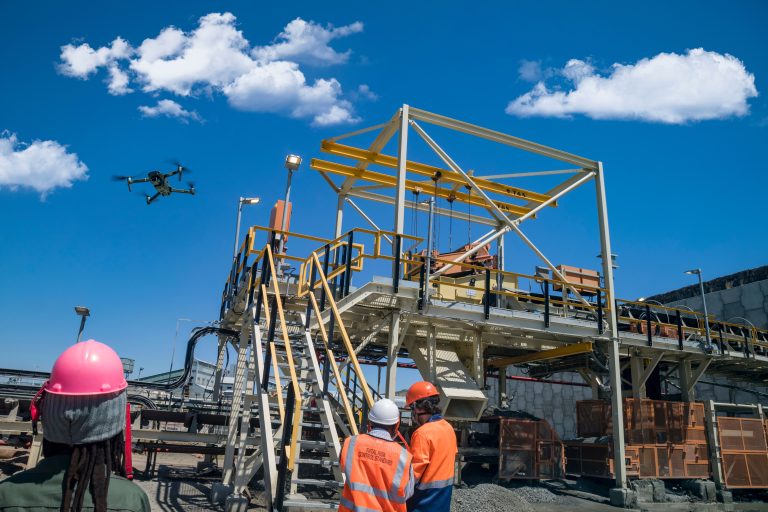
Imagine a drone flying over a mining site, capturing thermal and chemical data, then transmitting it to an AI powered dashboard that flags anomalies. That’s not science fiction it’s happening now. These tools allow faster, more accurate decision-making that minimizes environmental harm and improves safety.
Moreover, remote monitoring tools can alert regulators to illegal or unsafe operations in real time. This enhances enforcement and gives communities a level of oversight they’ve never had before.
The challenge is ensuring that smaller operators and less-developed regions have access to these tools. Open source platforms and collaborative innovation hubs can help democratize access to cutting-edge technology.
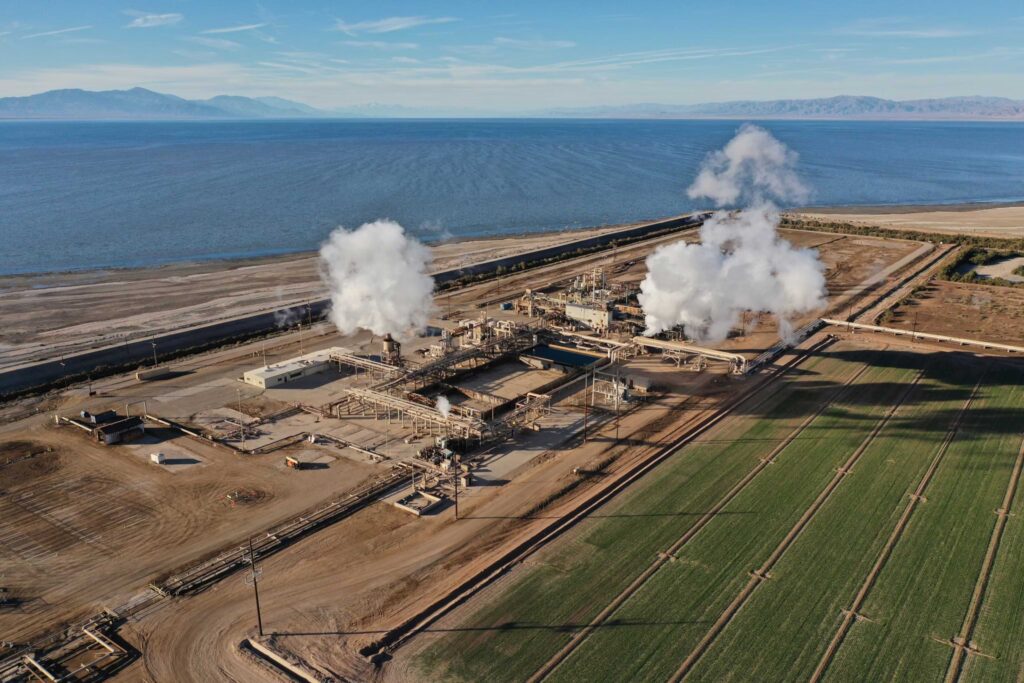
In countries like Namibia and Burkina Faso, solar powered mining operations are already proving their worth. Hybrid systems combining solar, battery storage, and backup diesel generators ensure uninterrupted power while slashing fuel consumption.
This shift toward renewables is not only about sustainability it’s also a smart business move. With global pressure mounting on companies to reduce emissions, renewable energy provides a competitive advantage and enhances brand reputation.
Governments can accelerate this transition by offering tax breaks and simplifying the permitting process for renewable energy projects within mining zones.
CSR is not just philanthropy; it’s about embedding sustainability into a company’s DNA. For mining companies in Africa, CSR involves engaging with communities, minimizing environmental damage, and ensuring ethical labor practices.
Effective CSR goes beyond building schools or clinics it involves real partnerships with local communities. This could mean offering job training, supporting small businesses, or developing infrastructure that serves both the mine and the local population.
Companies that fail to engage meaningfully often face resistance, protests, or legal action. On the other hand, those that integrate CSR into their operations enjoy stronger community ties, better employee retention, and smoother regulatory approval processes.
In essence, CSR is the social license to operate it’s what makes or breaks long-term success in African mining.
Some African mining companies are setting new standards in sustainability. For instance, Gold Fields in Ghana has invested heavily in community development, healthcare, and renewable energy. They’ve also committed to achieving net zero emissions by 2050.
Another example is Anglo American in South Africa, which has implemented extensive water recycling systems and a hydrogen powered mining truck program to reduce emissions.
These case studies show that sustainability isn’t just possible it’s profitable. They provide blueprints for others in the industry to follow, showing that ethical operations can go hand in-hand with economic success.
Environmental, Social, and Governance (ESG) reporting has become a key performance indicator for investors. In Africa, more companies are beginning to publish annual ESG reports outlining their impact, goals, and progress.
These reports cover everything from greenhouse gas emissions and water usage to human rights practices and anti-corruption measures. By being transparent, companies not only build trust but also attract investors looking to put their money into ethical ventures.
The key challenge is ensuring consistency and accuracy. Governments and stock exchanges can help by mandating ESG disclosures and developing standardized frameworks for African companies to follow.
Mining cannot thrive in a vacuum. The success of any project depends on the support of the surrounding communities. Building trust starts with honest communication and a willingness to listen. Companies must involve locals from the planning stage, ensuring they understand the potential impacts and benefits.
Community advisory boards, public consultations, and grievance mechanisms are practical tools to foster dialogue and resolve disputes. Transparency in revenue sharing, employment opportunities, and environmental plans is equally crucial.
Trust is not built overnight it requires consistency, respect, and mutual benefit. Companies that invest time and resources into genuine community relationships often see fewer disruptions, stronger partnerships, and greater long term success.
When land is acquired for mining, affected individuals must receive fair and timely compensation. But compensation isn’t just about money it also includes relocation support, access to new farmland, and help rebuilding livelihoods.
Some companies offer equity or profit sharing models, allowing communities to directly benefit from the wealth beneath their feet. Infrastructure projects like roads, hospitals, or schools can also create shared value.
In many African countries, however, compensation processes are opaque, delayed, or inadequate. Strengthening legal frameworks and involving third party auditors can help ensure fairness and transparency.
Indigenous groups often face the greatest risks from mining projects losing ancestral lands, cultural heritage, and access to natural resources. Protecting these rights is a moral and legal imperative.
International conventions like ILO Convention 169 and the UN Declaration on the Rights of Indigenous Peoples (UNDRIP) provide a framework for protecting indigenous communities. In practice, this means obtaining free, prior, and informed consent (FPIC) before any activity begins.
Cultural heritage assessments should be part of every mining feasibility study. Preserving sacred sites, traditional practices, and indigenous languages must be integrated into sustainability plans.
By respecting indigenous rights, mining companies can avoid conflict, gain allies, and contribute to cultural preservation.
One of the biggest stains on mining’s reputation is the trail of destruction it leaves behind barren landscapes, eroded soils, and lifeless pits. Environmental rehabilitation, particularly reforestation, is crucial to reverse this damage and restore ecosystems to their natural state.
Reforestation involves planting native trees and vegetation in areas cleared for mining. But it’s more than just scattering seeds it’s about rebuilding an entire ecosystem. Soil must be stabilized, invasive species controlled, and water sources revived. The choice of plants matters too native species not only adapt better but also support local wildlife and biodiversity.
In South Africa, the “Working for Water” program has combined land rehabilitation with job creation, employing locals to restore vegetation around mining sites. In Tanzania, efforts around the Geita Gold Mine have led to the regeneration of forested land, creating habitat corridors for wildlife.
Reclamation isn’t optional it’s a responsibility. And when done well, it proves that mining and nature can coexist, even after the last rock has been extracted.
Tailings slurry like waste produced during mineral processing pose one of the most significant environmental hazards in mining. If not managed properly, these tailings can contaminate water, leach heavy metals into the soil, and even cause catastrophic dam failures.
In Africa, where tailings dam regulations are often weak or unenforced, the risk is even higher. We’ve seen disasters in Ghana and Zimbabwe where tailings spills led to poisoned rivers and devastated communities.
Sustainable mining demands a proactive approach to waste management. This includes dry stacking (a method that reduces water use and dam risks), lined containment systems to prevent leakage, and constant monitoring for early signs of failure.
Advanced filtration, geotextile technology, and chemical neutralization processes can help mitigate the impact. Beyond the tech, strict regulation and third-party audits are essential to ensure that companies take waste management seriously not just on paper, but in practice.
What happens after a mine shuts down is just as important as how it’s run. Without a solid closure plan, communities are often left with dangerous pits, contaminated soil, and zero economic prospects.
Post mining land use planning involves converting old mine sites into something beneficial—whether that’s farmland, tourism hubs, community forests, or industrial parks. It requires collaboration between companies, governments, planners, and local communities to design a future that extends beyond mining.
In Botswana, diamond mines have been transformed into wildlife conservation areas, boosting ecotourism. In Kenya, former quarries now serve as community gardens and green spaces.
Planning must start before mining begins. Environmental and social impact assessments should include detailed closure plans with timelines, budgets, and restoration goals. That way, when the last truck rolls out, life and not ruin takes its place.
You can’t achieve sustainable mining without a workforce that understands and embraces it. Training miners, engineers, and local leaders on best practices is essential to creating a culture of sustainability in Africa’s mining sector.
Capacity building includes teaching safe waste disposal, water conservation, and low-impact extraction techniques. It also means equipping miners with knowledge about local laws, environmental rights, and international sustainability standards.
Some organizations, like the African Minerals Development Centre (AMDC), have created training modules and toolkits to support this cause. Private mining firms are also stepping up—offering certification programs and in-house training academies focused on green mining techniques.
In artisanal mining, where formal education is often lacking, practical, on the ground coaching and peer-led instruction can be even more effective. These programs help miners earn better wages, reduce environmental damage, and improve safety.
An educated workforce is the backbone of sustainable development. Without it, even the best policies and technologies will fall short.
Academic institutions and NGOs play a powerful role in sustainable mining. Universities conduct critical research, develop new technologies, and train the next generation of mining professionals. NGOs act as watchdogs, educators, and advocates for communities affected by mining.
In Ghana, the University of Mines and Technology (UMaT) collaborates with mining firms to deliver courses on environmental management and mine rehabilitation. NGOs like Environmental Rights Action (ERA) in Nigeria work with communities to monitor mining activity and hold companies accountable.
Partnerships between universities, NGOs, and governments can create centers of excellence in sustainable mining hubs for innovation, training, and policy advocacy. These collaborations ensure that sustainability isn’t just a corporate goal, but a national and regional priority.
Sustainable mining starts with awareness. If communities don’t know their rights or the risks associated with mining, they can’t advocate for change. Public awareness campaigns empower citizens to demand transparency, safety, and sustainability.
Radio shows, community meetings, posters, and even social media can be used to educate people on environmental impacts, health risks, and corporate responsibilities. In Zambia, NGOs have used mobile apps to share real time air and water quality data with residents living near mining zones.
The goal isn’t just to inform it’s to inspire action. When communities are knowledgeable, they become watchdogs, partners, and protectors of their land. And when miners understand their impact, they’re more likely to take steps toward sustainability.
International financial institutions like the World Bank and the International Monetary Fund (IMF) have a major influence on mining development in Africa. Through loans, grants, and policy advice, they can promote sustainability by attaching environmental and social conditions to funding.
The World Bank has supported projects aimed at improving governance, enforcing environmental standards, and integrating renewable energy in mining regions. In Ghana, World Bank-funded programs have helped formalize small-scale mining, reducing its environmental footprint.
However, critics argue that these institutions sometimes prioritize economic growth over environmental protection. Moving forward, stronger sustainability benchmarks and more community-centered planning are needed to make these contributions truly impactful.
The United Nations, through its Environment Programme (UNEP) and Development Programme (UNDP), is working to align mining with the Sustainable Development Goals. Meanwhile, the African Union’s African Mining Vision (AMV) provides a strategic blueprint for resource governance that prioritizes sustainability, equity, and long-term development.
These organizations help harmonize policies, facilitate dialogue, and fund research and training across the continent. For example, the AMV encourages local value addition refining and processing minerals domestically to reduce environmental costs and boost local economies.
The challenge is implementation. With better coordination, funding, and political will, these initiatives can go from paper plans to real-world transformation.
Achieving sustainability in African mining requires global cooperation. Partnerships between African governments, international donors, NGOs, and the private sector can unlock the resources and expertise needed to scale sustainable practices.
Initiatives like the Global Battery Alliance and the Responsible Minerals Initiative are helping African producers meet international sustainability criteria ensuring that their minerals power the world’s green economy, not its dirty secrets.
Green climate funds, carbon credit programs, and ESG investment flows also provide new opportunities to finance cleaner, more responsible mining operations.
The road ahead demands more of these cross border collaborations. Together, stakeholders can rewrite the rules of mining making it a force for good rather than harm.
Ghana has emerged as a leader in responsible gold mining. Through programs like the “Gold for Good” initiative and reforms in artisanal mining, the country has made strides in improving environmental compliance and reducing illegal mining.
By introducing mercury free gold processing technologies, Ghana has curbed water contamination and improved public health. Community based mining schemes have created formal job opportunities and shared revenues more equitably.
The government has also collaborated with international partners to train miners, enforce regulations, and promote traceable gold exports. Ghana’s experience shows that with political will and local engagement, sustainable mining isn’t just possible it’s profitable.
South Africa is setting the pace with innovative green mining projects. Anglo American’s hydrogen-powered mining trucks, Sibanye Stillwater’s renewable energy investments, and Exxaro’s biodiversity initiatives highlight a growing shift toward cleaner, more responsible operations.
The country is also home to numerous mine rehabilitation efforts. Old coal mines are being transformed into solar farms, while tailings dams are being reprocessed to recover valuable minerals and reduce waste.
These projects not only reduce carbon emissions and environmental damage but also create green jobs and stimulate local economies. South Africa’s example proves that green mining is a viable path forward for the continent.
Zambia’s Copper Belt once synonymous with pollution and exploitation is undergoing a quiet transformation. The government, in partnership with the World Bank and private sector players, has launched land restoration projects and sustainable urban development plans in former mining zones.
Tailings are being reprocessed to reduce toxic runoff, while post-mining land is being converted for agriculture and housing. Water treatment systems are also being upgraded to prevent contamination of local rivers and lakes.
Though challenges remain, Zambia’s approach to turning a polluted past into a sustainable future offers hope and a template for other mining regions across Africa.
These goals aren’t just wishful thinking they’re a roadmap to shift the mining industry from extractive to regenerative. But success requires measurable benchmarks, transparent reporting, and regular public audits.
With the right tools, policies, and partnerships in place, Africa can lead the world in responsible mining and not just as a producer, but as a global standard bearer.
Mineral resources don’t respect borders so neither should sustainability efforts. Cross border collaboration is crucial for regulating trade, preventing illegal mining, and sharing best practices.
For example, the Mano River Union (Liberia, Sierra Leone, Guinea, and Côte d’Ivoire) has created joint frameworks for sustainable mining governance. Similar collaborations are needed in the Great Lakes region and the Sahel to combat illegal smuggling and standardize environmental controls.
Regional bodies like ECOWAS, SADC, and COMESA must take the lead in harmonizing mining codes, training programs, and enforcement strategies. Pooling resources also allows countries to invest in shared infrastructure like regional laboratories, waste treatment plants, and rehabilitation teams.
Unity in action is Africa’s greatest asset in achieving sustainability.
To truly embed sustainability, the African mining industry must embrace unified standards across both public and private sectors. This means creating a continent-wide sustainability certification system that companies must meet to operate legally.
By adhering to these standards, African mining companies can command premium prices in global markets and appeal to ESG-conscious investors.
Creating a pan-African sustainability council, involving governments, miners, NGOs, and academics, could enforce these standards and recognize excellence in sustainable practices boosting Africa’s brand on the global stage.
Sustainable mining is no longer optional it’s the only way forward if Africa is to harness its mineral wealth without sacrificing its people, environment, or future. From Ghana’s gold fields to South Africa’s platinum belts and Zambia’s copper mines, the call for responsible, ethical, and regenerative mining has never been louder.
The road is challenging. It requires political will, technological innovation, community empowerment, and international support. But Africa is uniquely positioned to lead a global shift one that proves mining doesn’t have to come at the cost of destruction.
By embracing sustainable mining, Africa can transform its resource curse into a resource blessing, paving the way for a greener, fairer, and more prosperous future for all.