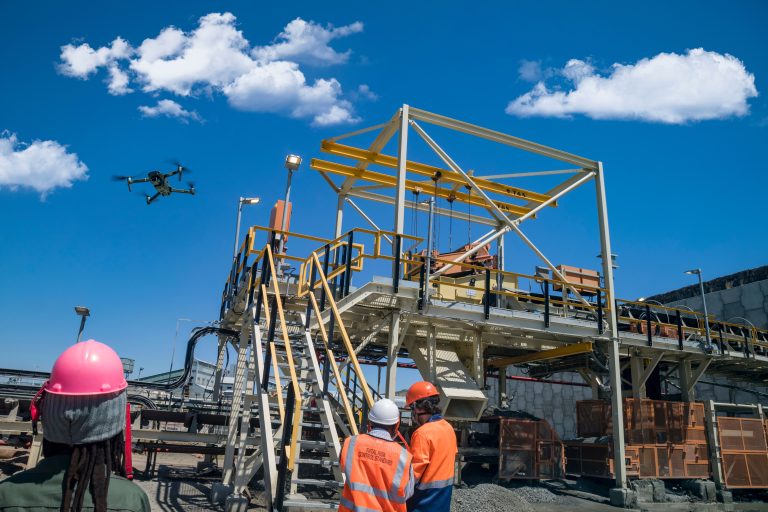
Strategic procurement ensures that mines receive the right machines at the right time and at the right cost. It’s about more than buying; it’s about sourcing smartly, negotiating wisely, and managing equipment over its full lifecycle. Poor procurement decisions lead to delays, breakdowns, cost overruns, and even safety incidents.
Mining operations depend on heavy duty equipment from excavators and haul trucks to crushers and ventilation systems. Without this machinery, the extraction, transport, and processing of minerals would come to a standstill. That’s why equipment procurement isn’t just a back office task it’s a core driver of mining productivity and profitability
In a volatile industry with tight margins and high operational risks, optimizing procurement isn’t a luxury it’s a necessity. Mines that prioritize procurement excellence consistently outperform their peers in uptime, efficiency, and cost control.
An optimized procurement process saves millions over a mine’s lifespan. It minimizes unnecessary inventory, prevents production downtime, reduces supplier risks, and ensures that equipment supports operational goals.
By improving visibility into equipment needs, automating procurement workflows, and aligning purchasing with maintenance schedules, mining companies can streamline operations and enhance responsiveness. This kind of agility is essential especially in today’s global market, where delays and disruptions are more common than ever.
Moreover, effective procurement can also support sustainability goals by enabling ethical sourcing, reducing waste, and ensuring regulatory compliance.
Every piece of mining equipment goes through a lifecycle that includes acquisition, operation, maintenance, and disposal or resale. Understanding this lifecycle is crucial to optimizing procurement decisions.
Procurement must consider the entire lifecycle, not just the upfront cost. For instance, a cheaper machine may end up costing more in fuel, maintenance, or parts. Conversely, a high end model with better fuel economy and longer service intervals could deliver better ROI over time.
Lifecycle planning enables more informed, strategic purchasing. It ensures that mines select equipment not just for today’s needs, but for long term performance and adaptability.
Lifecycle based procurement isn’t just good business it’s essential for building resilient, future-proof mining operations.
Inaccurate forecasts lead to stockouts of critical spares, excessive inventory costs, or even procurement of incompatible machinery. This disrupts operations, increases downtime, and wastes money.
Forecasting challenges often stem from siloed departments, outdated systems, or lack of collaboration between operations, procurement, and maintenance.
Delays from unreliable suppliers are one of the most common procurement bottlenecks. Whether due to poor planning, geopolitical disruptions, or logistics breakdowns, supplier delays can shut down operations.
Inconsistent quality or non compliance with specifications also adds risk. If a newly delivered drill doesn’t meet operational standards, returning or replacing it wastes valuable time.
Mining projects often operate on tight budgets. Unplanned equipment expenses whether due to emergency replacements or cost overruns can derail financial plans.
Many procurement teams also struggle with opaque pricing, lack of cost benchmarks, or unexpected charges such as taxes, transport fees, or currency fluctuations.
Without clear budget tracking and forecasting tools, it’s hard to control spend or justify procurement decisions to finance teams or executives.
Before initiating any procurement, teams must clearly define what the equipment is supposed to achieve. Is the goal to increase throughput? Reduce fuel consumption? Minimize maintenance downtime?
When procurement aligns with these operational goals, every purchase becomes a strategic move rather than just a transaction.
This alignment involves close collaboration between operations managers, maintenance teams, and procurement officers to understand project timelines, output targets, and specific site challenges.
For example, if a mine is expanding into deeper deposits, it may need new drilling rigs with higher capacity or enhanced safety features. Knowing this in advance allows procurement to source appropriate models, negotiate better terms, and avoid costly last-minute buying.
To measure and improve procurement performance, clear KPIs must be in place. These may include:
Tracking these metrics allows for continuous improvement. It also gives procurement teams the data they need to make smarter decisions, justify investments, and optimize sourcing strategies.
By setting clear goals and measuring progress, mining companies can transform procurement from a support function into a powerful driver of operational success.
The foundation of a strong procurement process is a reliable supplier network. To build this, mining companies must establish a robust evaluation framework that goes beyond price. Suppliers must be assessed for:
A proper evaluation includes reviewing references, checking certifications (ISO, OEM authorizations, etc.), conducting audits, and scoring vendors against predefined benchmarks. Using a formalized vendor scorecard can help standardize this process and ensure accountability.
Additionally, suppliers should be required to submit compliance documentation and performance reports. These documents help track issues like product returns, delays, or safety violations ensuring that poor performance doesn’t go unnoticed.
In mining, long term supplier partnerships provide stability, cost savings, and operational consistency. Instead of switching vendors constantly based on price, companies should invest in building trusted, strategic relationships.
Relationship building includes joint planning sessions, quarterly performance reviews, and shared KPIs. Clear communication and mutual respect form the bedrock of these partnerships, enabling win-win outcomes even in challenging situations like supply chain disruptions or global price hikes.
Gone are the days when procurement was managed through spreadsheets and email threads. Today, e-procurement platforms streamline the entire process from requisition to purchase order to invoice.
With centralized data and streamlined approvals, procurement teams can reduce cycle times, eliminate errors, and gain full visibility into spending. Automation reduces paperwork and accelerates processing—allowing teams to focus on strategy rather than admin.
Data is the new currency in procurement. With access to accurate, real time data, mining companies can make smarter purchasing decisions, negotiate better deals, and avoid costly mistakes.
Spend analytics tools categorize expenditures, identify savings opportunities, and highlight supplier performance trends. For example, if multiple teams are buying similar equipment from different vendors at different prices, analytics can flag this and enable centralized negotiation.
Predictive analytics can also forecast future equipment needs based on past consumption and production schedules. This allows teams to prepare ahead of time and avoid last-minute buying at inflated prices.
One of the most common frustrations in mining procurement is the red tape. Slow approvals, unclear policies, and too many sign offs lead to unnecessary delays. In a fast-moving operational environment, this lack of agility can be costly.
By simplifying processes and empowering teams to make low risk purchases independently, mining companies can dramatically reduce lead times and improve responsiveness.
Lack of standardization leads to confusion, duplication, and inefficiency. One site might request equipment with different specifications than another even if they need the same machine. Or, teams might use inconsistent terminology that complicates vendor communication.
Standardizing requisitions through uniform templates, predefined codes, and approved supplier lists ensures consistency and clarity.
Standardized order cycles (e.g., weekly or biweekly bulk purchases) can also consolidate buying power and simplify logistics planning. Instead of placing ad hoc orders, sites follow a rhythm that supports forecasting and reduces admin work.
Together, standardization and streamlining eliminate waste, reduce errors, and help procurement teams focus on value added tasks.
In mining, equipment failure can grind operations to a halt. Having the right spare parts on hand is vital but that doesn’t mean stocking everything. Effective inventory planning starts by identifying critical spares: the components that are essential, high risk, or hard to source.One of the most common frustrations in mining procurement is the red tape. Slow approvals, unclear policies, and too many sign offs lead to unnecessary delays. In a fast moving operational environment, this lack of agility can be costly.
A failure mode and effects analysis (FMEA) helps determine which parts are most likely to cause operational delays and should therefore be prioritized in inventory planning.
Managing inventory is a balancing act. Too much stock ties up capital and storage space; too little creates shortages and delays.
Just-in-Time (JIT) inventory minimizes waste and relies on precise demand forecasting and reliable suppliers. It works well for consumables and standard components.
Safety stock, on the other hand, serves as a buffer against supply chain disruptions. For critical spares with long lead times or unreliable suppliers, maintaining safety stock is essential.
Mining companies should adopt a hybrid model JIT for fast moving items, safety stock for mission-critical parts. Digital inventory tools can track consumption trends, automate reordering, and prevent both stockouts and overstocking.
Smart inventory management reduces costs, improves availability, and enhances operational resilience.
Mining procurement isn’t just about the upfront price tag. A low cost machine may end up costing more due to fuel inefficiency, frequent breakdowns, or high spare parts expenses.
Effective negotiation isn’t just about price it’s about payment terms, delivery schedules, warranties, and after-sales service. Skilled negotiators extract more value from every transaction, creating favorable conditions that benefit both sides.
Bulk purchasing can also drive savings. By consolidating demand across sites or projects, mining companies can unlock volume discounts and reduce per-unit costs.
Strategic sourcing groups and category managers play a key role here, aligning procurement with business needs and leveraging supplier relationships to maximize value.